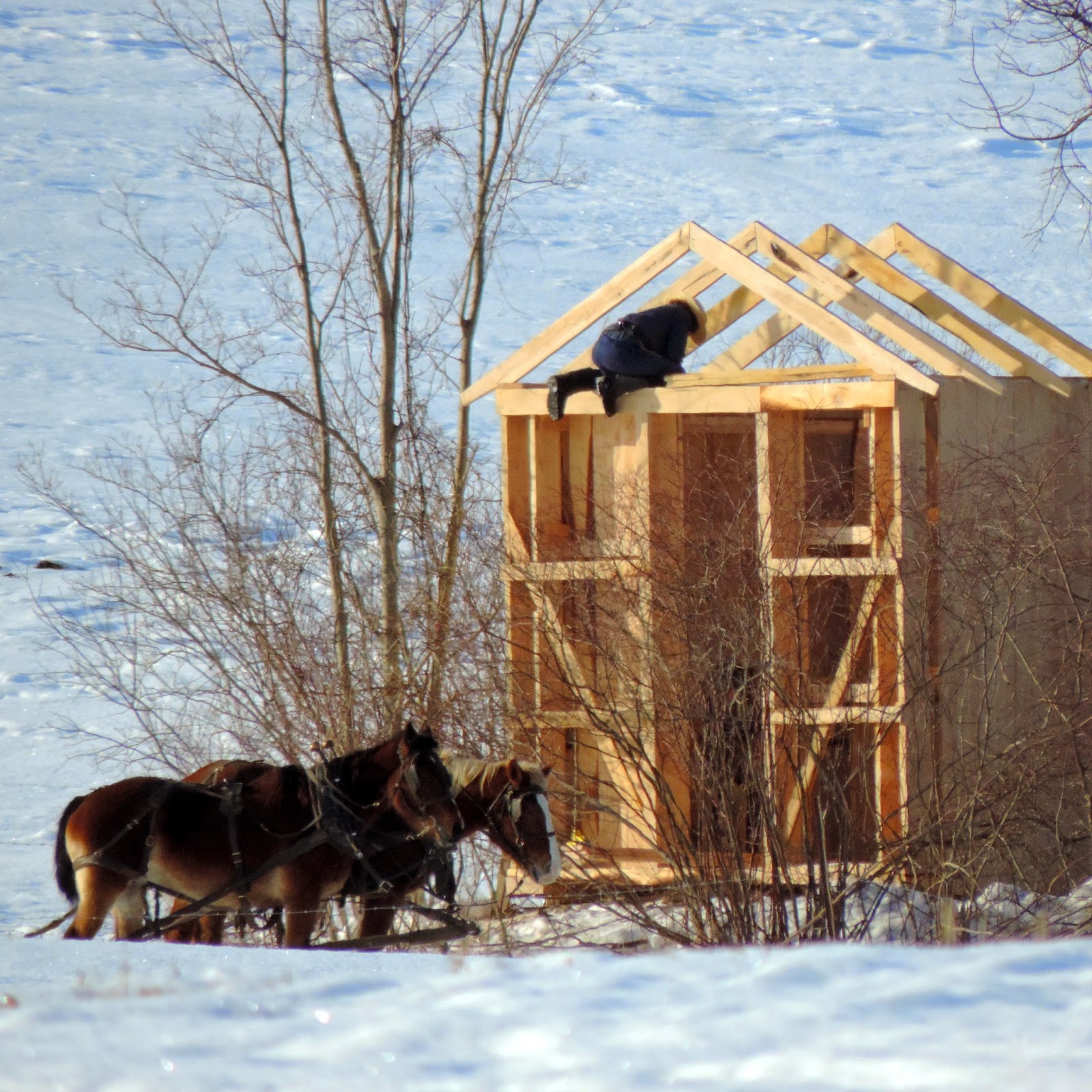
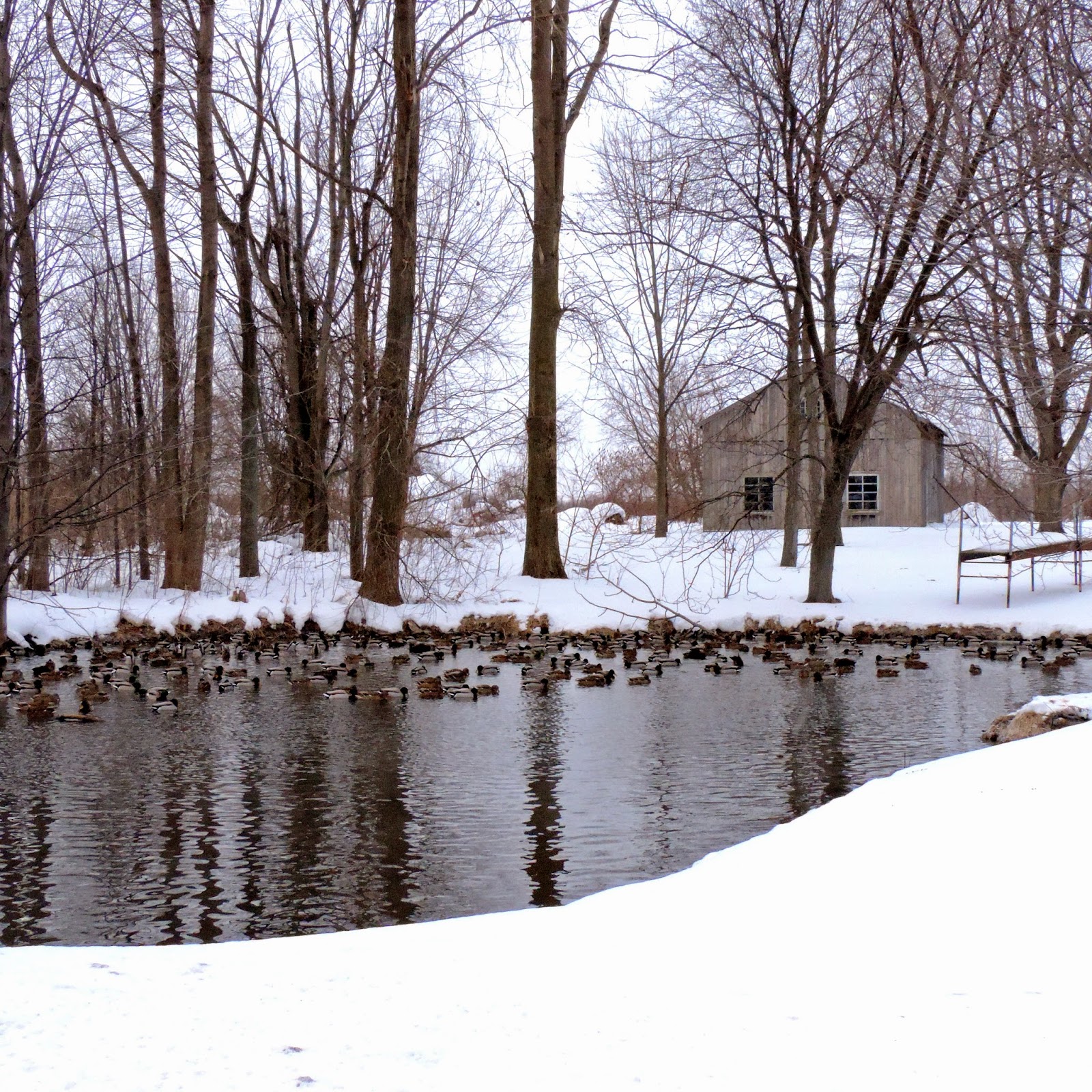
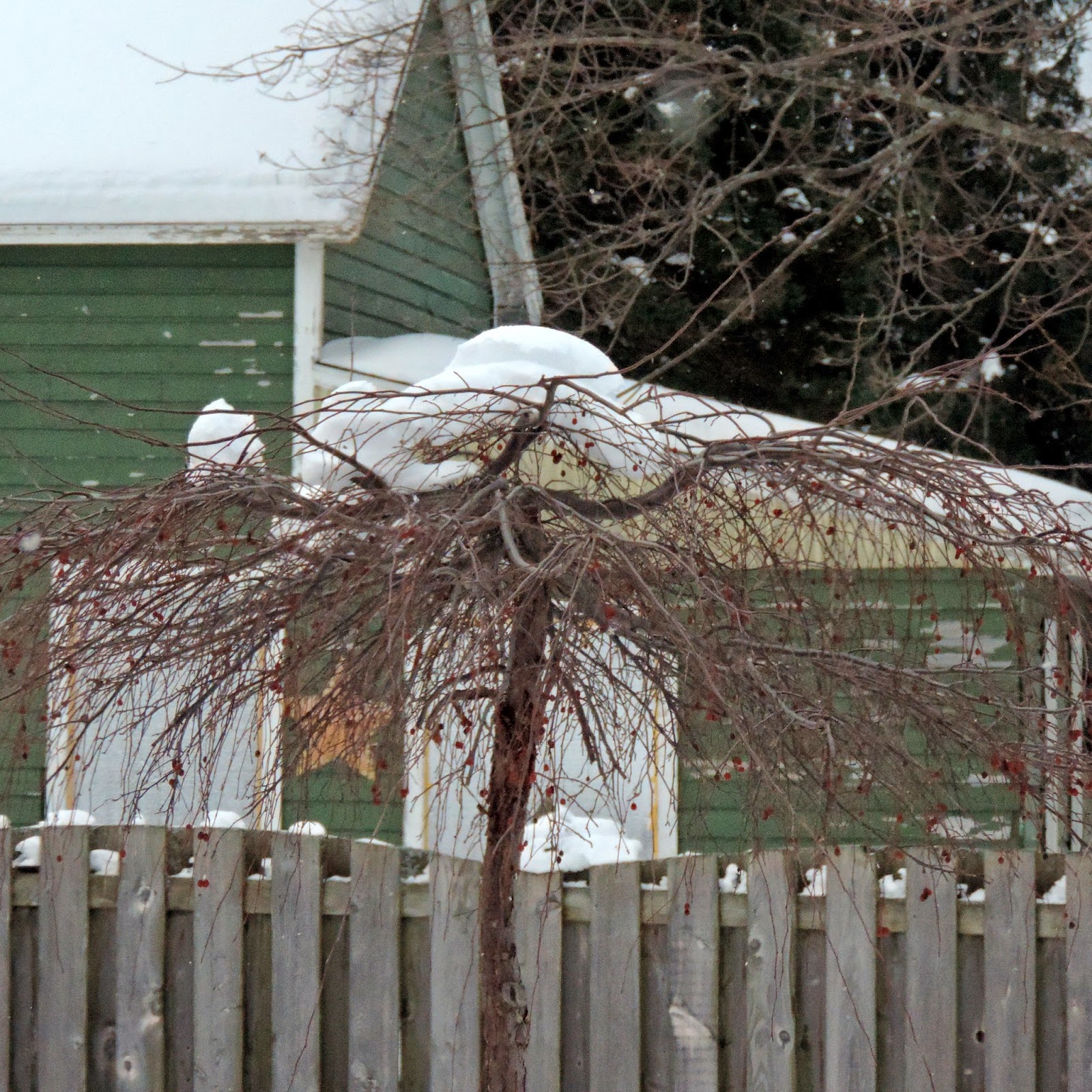
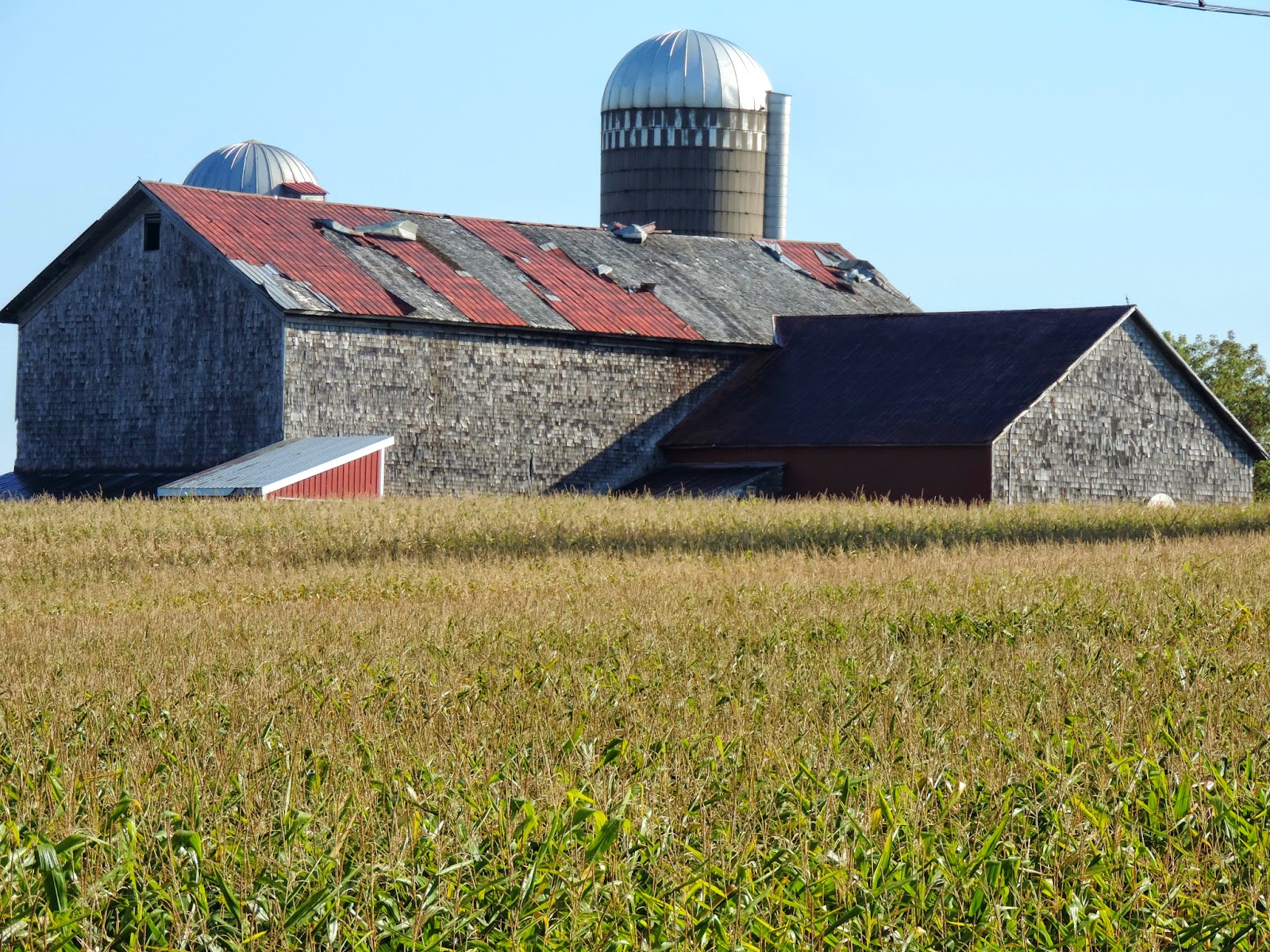
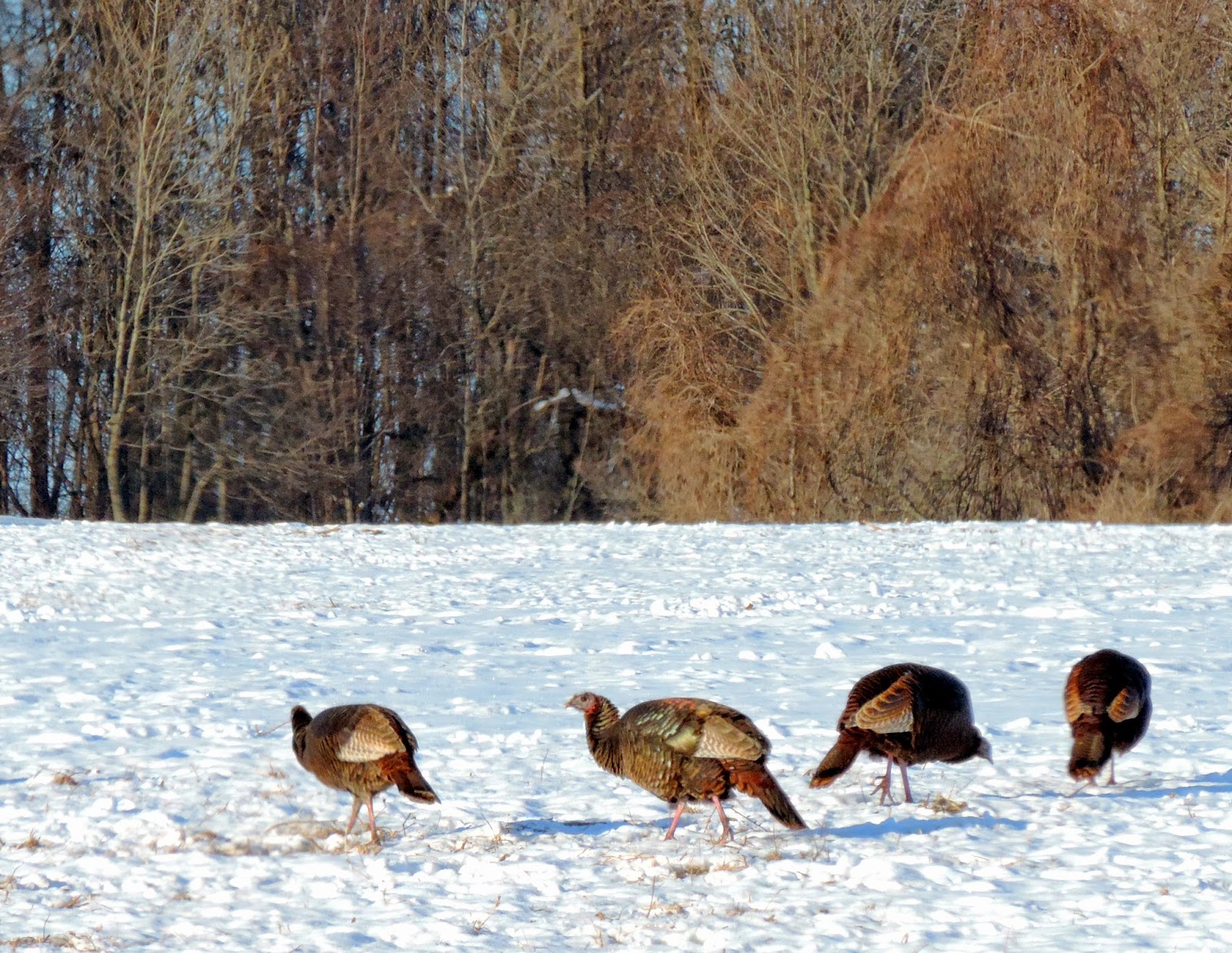
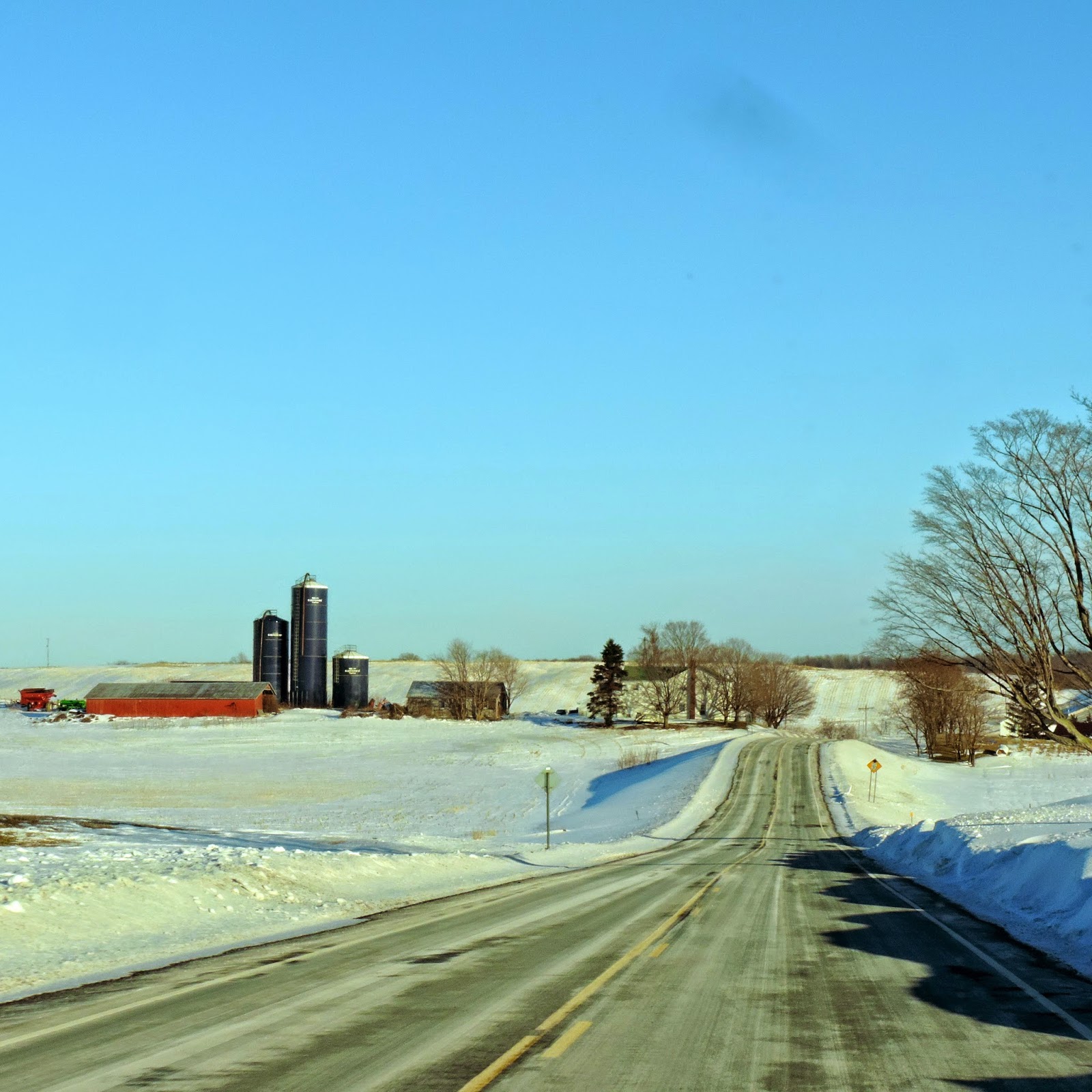
"That's so," said Pa. "These times are too progressive. Everything has changed too fast. Railroads and telegraph and kerosene and coal stoves- they're good things to have, but the trouble is, folks get to depend on 'em."
I guess I was procrastinating writing this blog post. I had some ideas for it like more area barns, or some of the beautiful tropical places we visited in Florida last year, but with so much of our Country and neighboring Canada in a deep freeze, I decided last night to write about
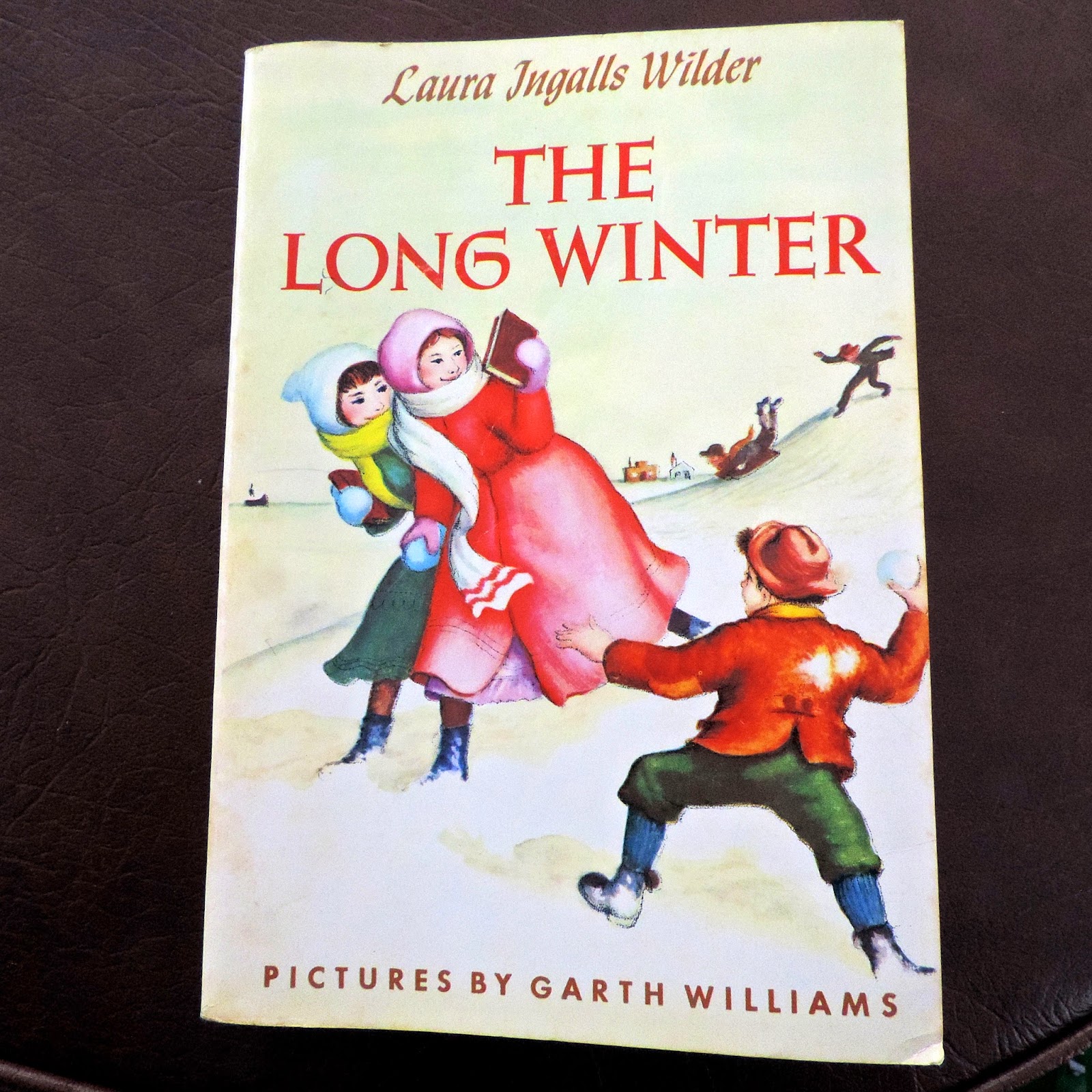
The Long Winter.
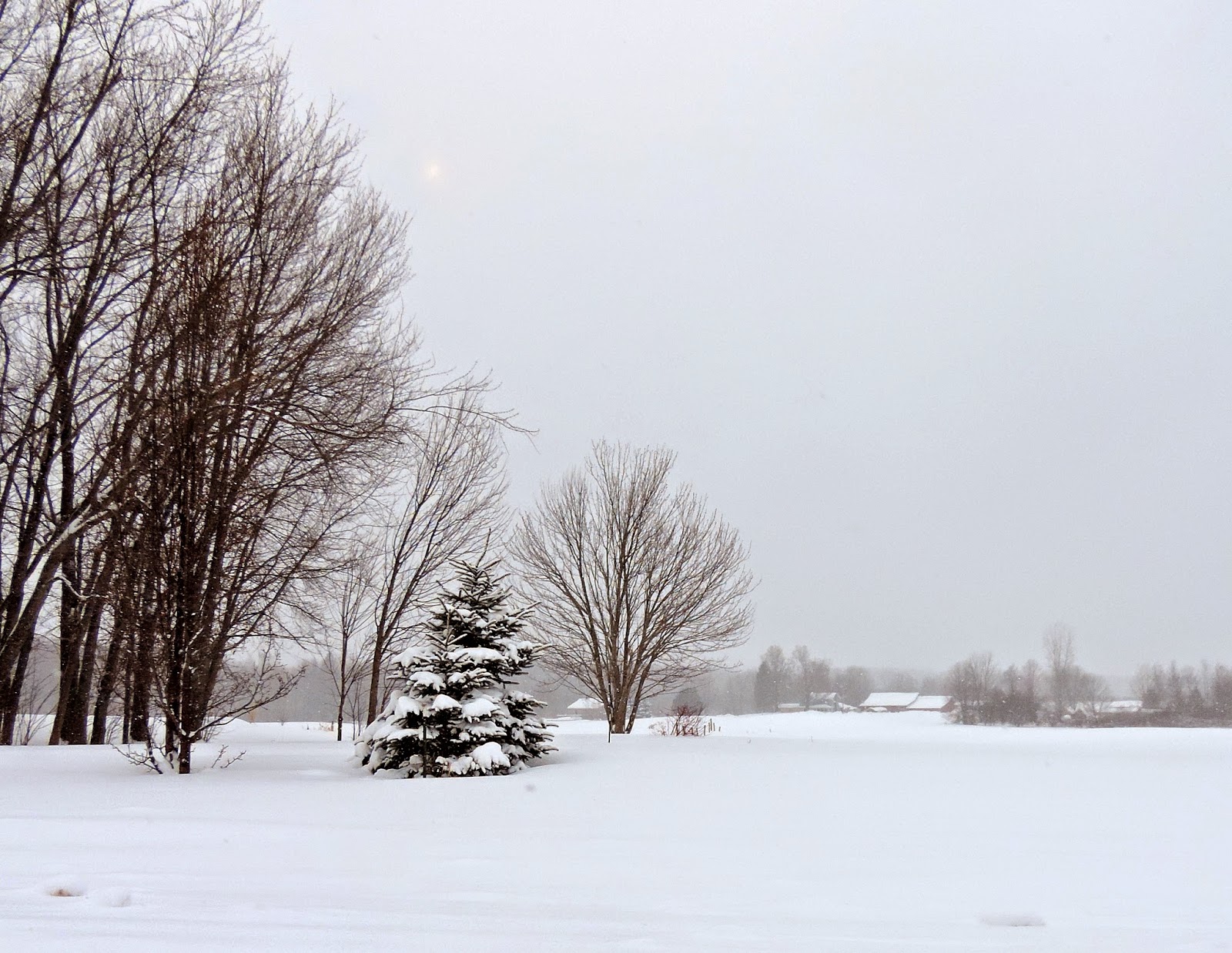
This past fall I made the promise to myself that I would not complain or whine about winter. And I kept that promise. It hasn't been that bad. At least we could get out if we had to; we're never actually ever "snowed" in. The roads have been plowed. The stores stay open their regular hours and we have heat. It's cold today. We made it up to 2 so far. Don't think it will get much warmer.
(Note to husband: I'm not complaining- just stating the facts.)
I can't remember when I started reading the "Little House" books, by Laura Ingalls Wilder, but it must have been after the series "Little House On The Prairie" was on tv. Actually, I never realized that the series was based on books written by Laura Ingalls Wilder. It was such a sweet, innocent tv program of life in the early pioneer days of our Country. Laura wrote about growing up on farms in the 1880's. Her books were published in the 1940's.
I remember the first time reading one of her shortened versions in the Reader's Digest. It was such an interesting and entertaining read that I wanted to read more right then. This was back in the 1970's so it wasn't like I could download a book on a Kindle or something. I actually had to go to the library and look up in the card catalog (what does a card catalog look like these days anyway?) the books written by her. I was amazed at the number of books in her series, and I wanted to read them all and of course in order (that's my concrete-sequential thinking). Actually, if you never read the books you would not realize that
The Little House On the Prairie was not the first book in the series. The first book in the series was
Little House in the Big Woods which was about life in Pepin, Wisconsin.
Well, you could imagine my disappointment when the first book in the series was not available at our local Mexico Public Library (NY), but had been taken out. (It must have been that someone else read the story in Reader's Digest and wanted to read the series, too.) So I borrowed the books that were available and read them as quick as I could. I should mention that these books were written for YA (Young Adults) so they are very quick reading.
One of the first books I read was
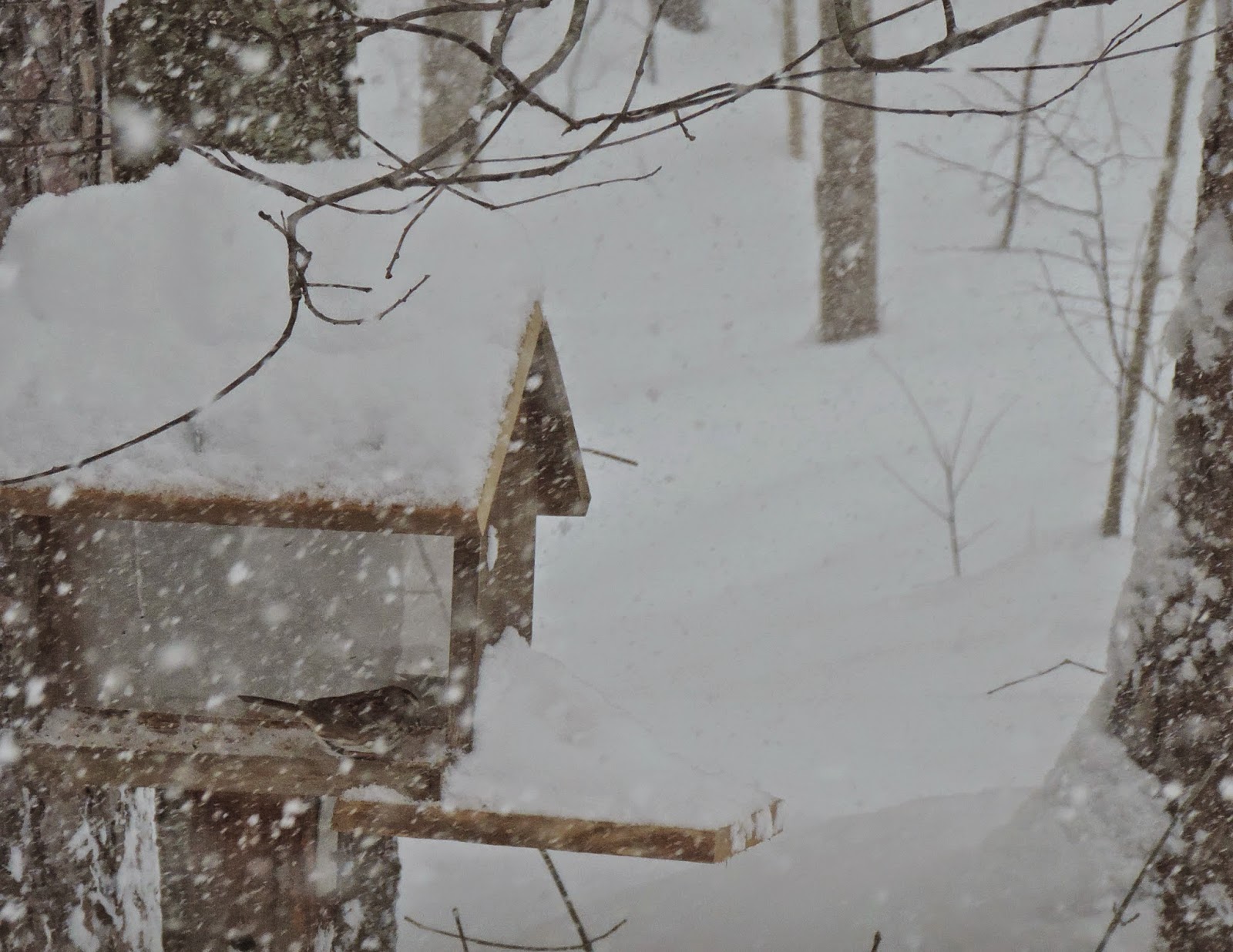
The Long Winter. Oh, the trying times of these people. What they had to endure in their many hardships, but still maintain a positive outlook for their children. This book was one of her most historically accurate novels that she wrote. The area sustained several months of blizzard weather, and because of all the snow and winds the trains were no longer able to reach the town with food and supplies. Another part of this book that was impressionable on me was where at one point she describes the snow and wind being so bad, that they had to run a clothes line to the barn so they could hold onto it when they had to do barn chores. That's because it was blowing so bad they couldn't see the barn from the house.
Another important aspect to me of these books were the illustrations by Garth Williams. He was not the first illustrator for the series which were written in the 1940's, but his images were included in the 1950's. His images certainly ties me to the 1950's when I was in elementary school. How many other readers remember the beautiful, vivid images of
Dick, Jane, and Sally?
Several years back after reading the series, when we were on a vacation heading west, we were traveling through South Dakota after visiting the Badlands and Mount Rushmore. Well, what do you know? Checking the maps out we were only about 40 miles off the Interstate from De Smet, South Dakota. This was the setting for five of her novels. Well, of course I managed to talk my husband into taking a little side trip there. I was looking for one of the places where they lived: the Surveyor's House. We found it, but it was April so not much was open to the public other than the library and a little diner. So I got some information from the library and we had dinner at the diner. The Surveyor's house in De Smet, was where the family lived during the winter of 1879-1880. That building and the family's home built in 1887 by her father, are still open to the pubic today for tours. They now have a visitor center and about 20,000 people tour the buildings each year.
I know I have pictures of the Surveyor's house, but I think they are on slides. If I took the time to look for them now and transfer them to a jpeg file this blog probably won't get posted for another week or so. Maybe at some point I might add them later.
Almanzo Wilder, Laura's husband, was raised in Malone, New York. Laura wrote about Almanzo's life on the farm in her book titled
Farmer Boy. The
Wilder Homestead is open to the public as well. We visited there about ten years ago.
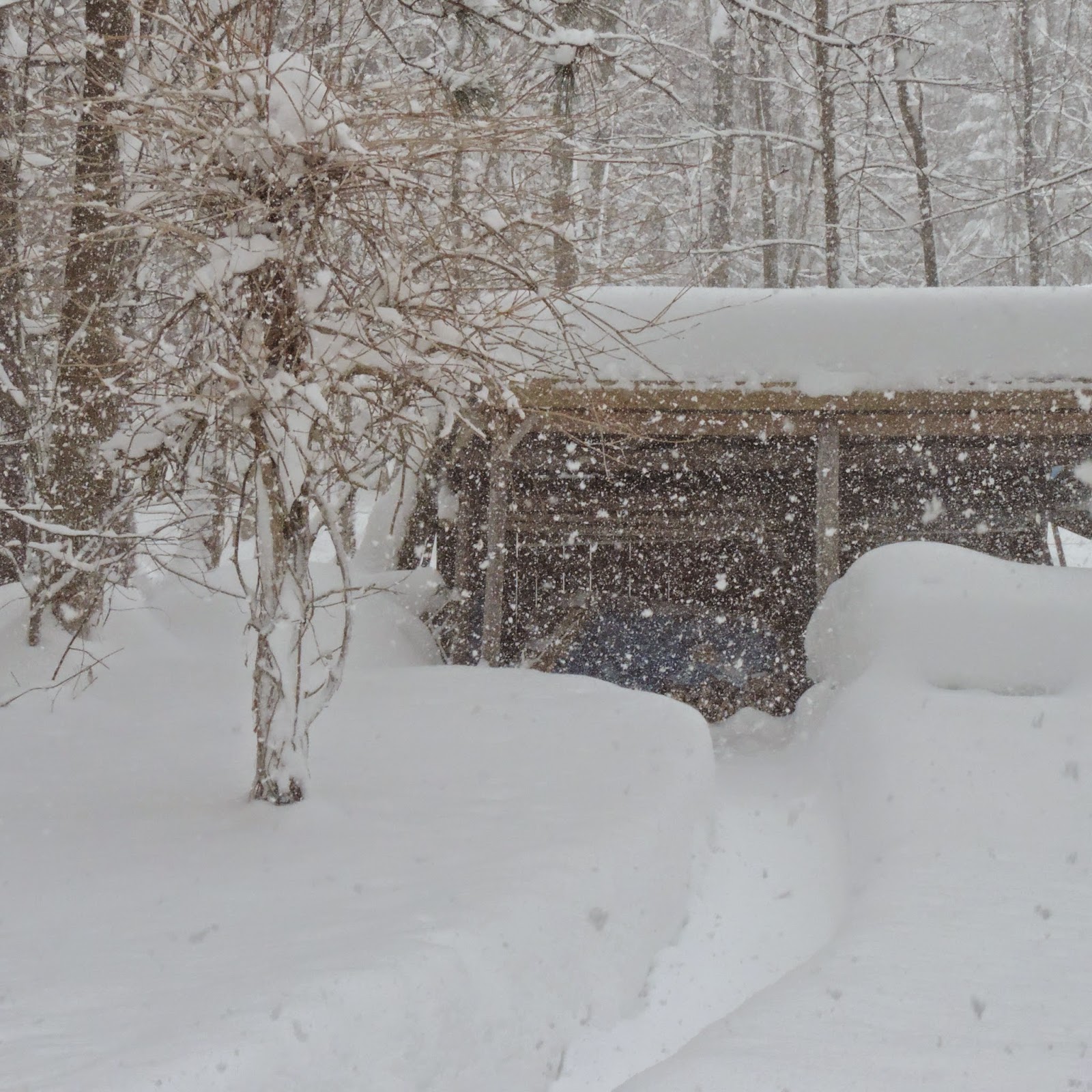
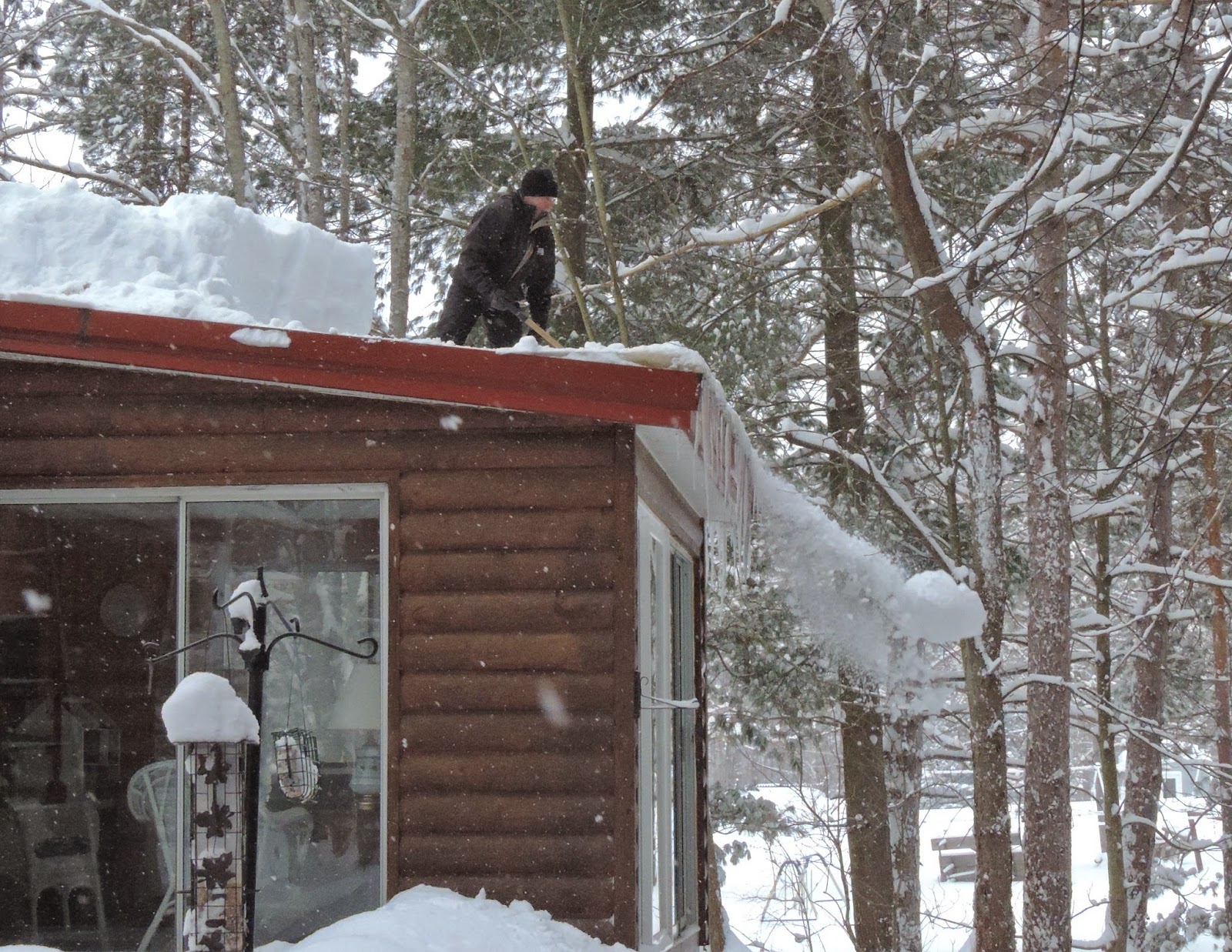
So today, many people around the area here in northern New York, are shoveling out their driveways, walkways, mailboxes, and roofs.
Yes, now there is so much snow here the roofs have to be shoveled off so they will not collapse under the weight of all that snow. We have a lot of snow, but we're not snowed in (at least not yet, hahaha).
Want a good read for long, cold winter nights? Check out (or download) some of the "Little House" Books.
Websites
Ingalls Homestead
Wikipedia- The Long Winter
The Almanzo Wilder Homestead, Malone, NY
Thanks for stopping by
our northern homestead.
Hope you enjoyed your visit.
Feel free to leave me a note
in the comment section. . .