Sunday, July 19, 2015

A Garden Tour on the Lake at Henderson, NY!


Last Saturday, July 11, 2015, was the Henderson NY Garden Club's Garden Tour! There were eight homes on the tour and the Henderson School Apartments which featured a vegetable garden and several attractive seating areas.


Henderson, NY, is located on the eastern end of Lake Ontario in Jefferson County. Some of the homes on this tour were in Henderson Harbor. All the homes on the tour have beautiful views of the water. Some of the best sunsets are on Lake Ontario in this area.


It's nice to take a garden tour in your area because it gives you an idea of what shrubs, trees, and perennials grow well in your area, as well as how large they grow, if they are invasive, and what are their soil/light and water requirements. In addition to that, there is usually a garden club member at each house site which can help to identify plants and answer questions that you may have.


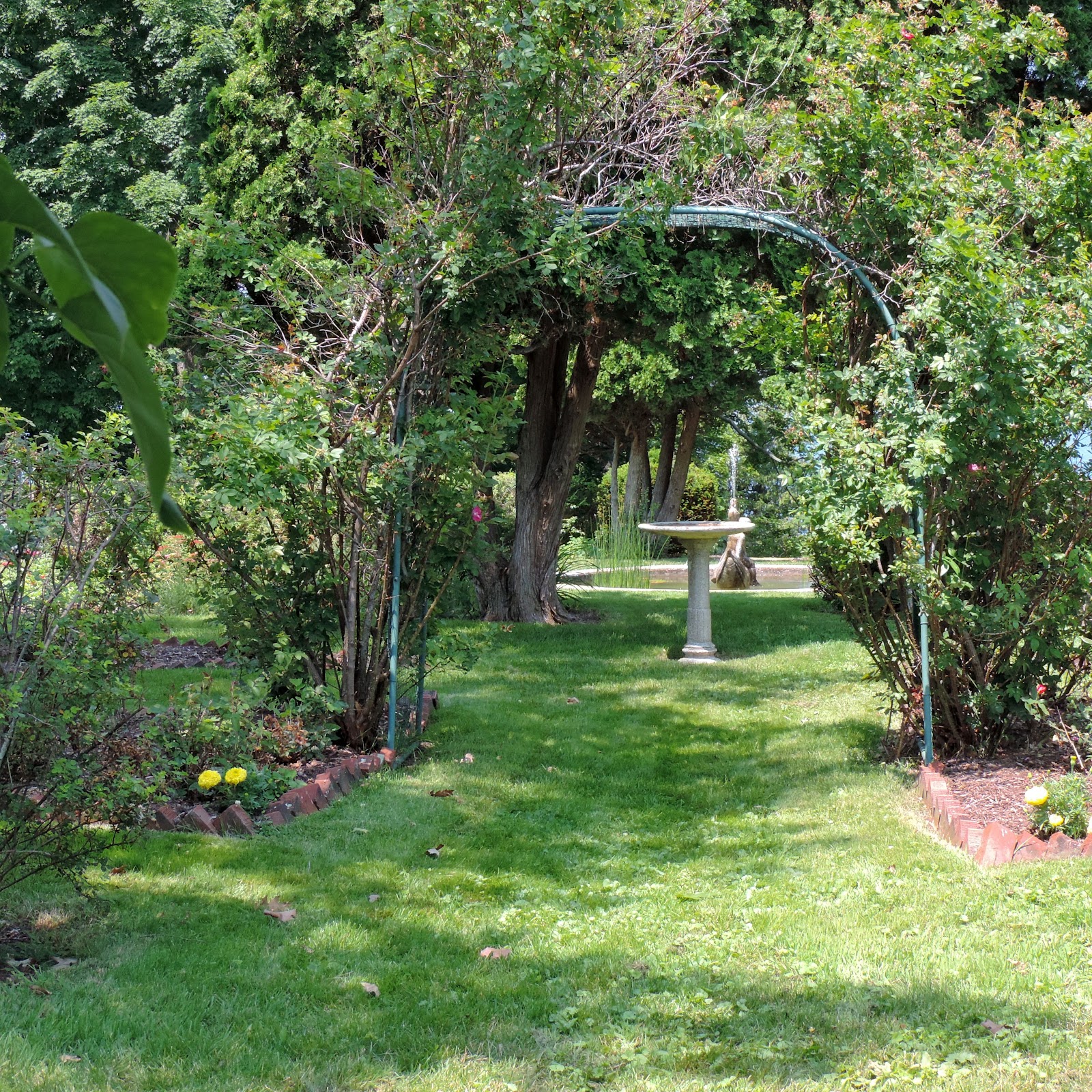
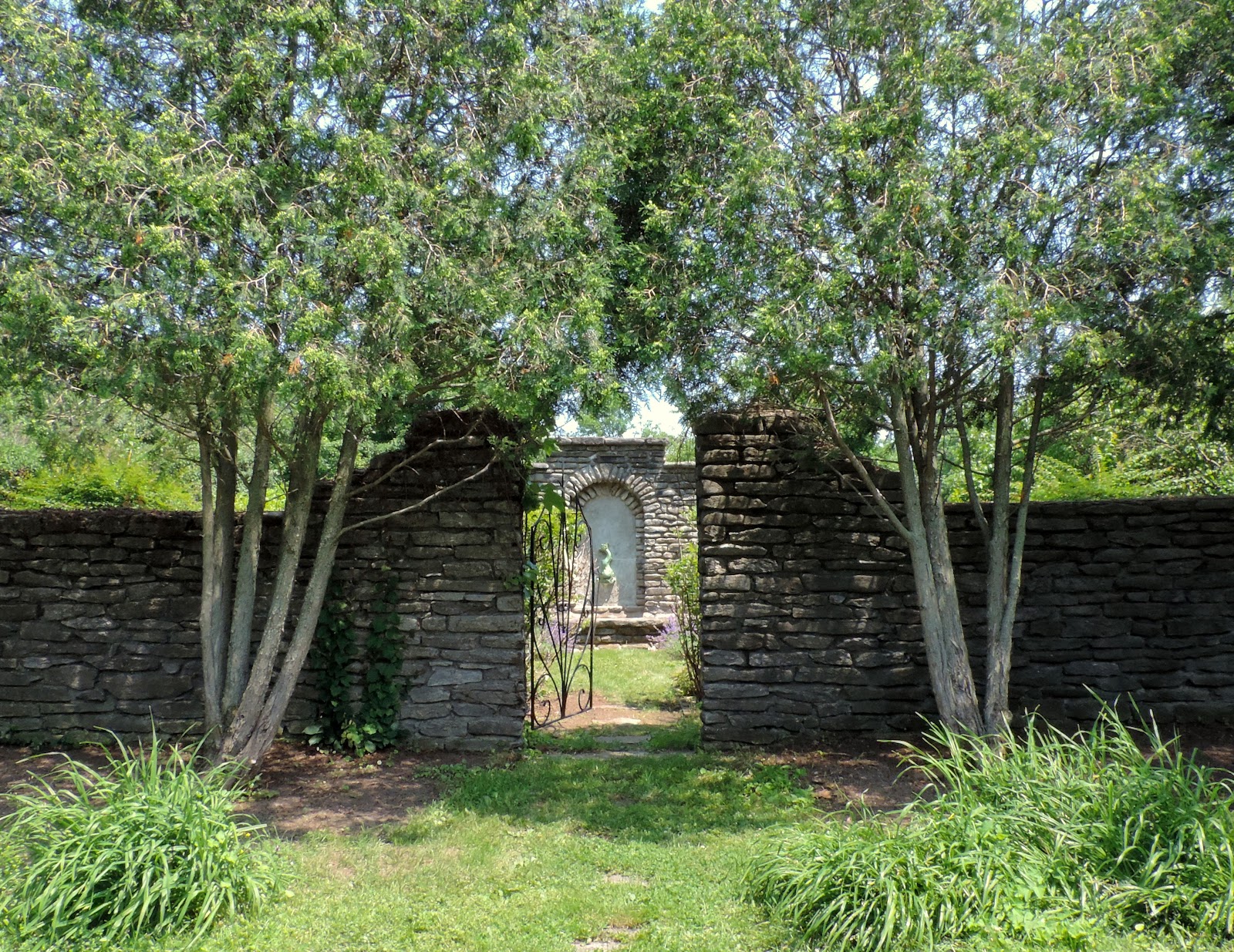
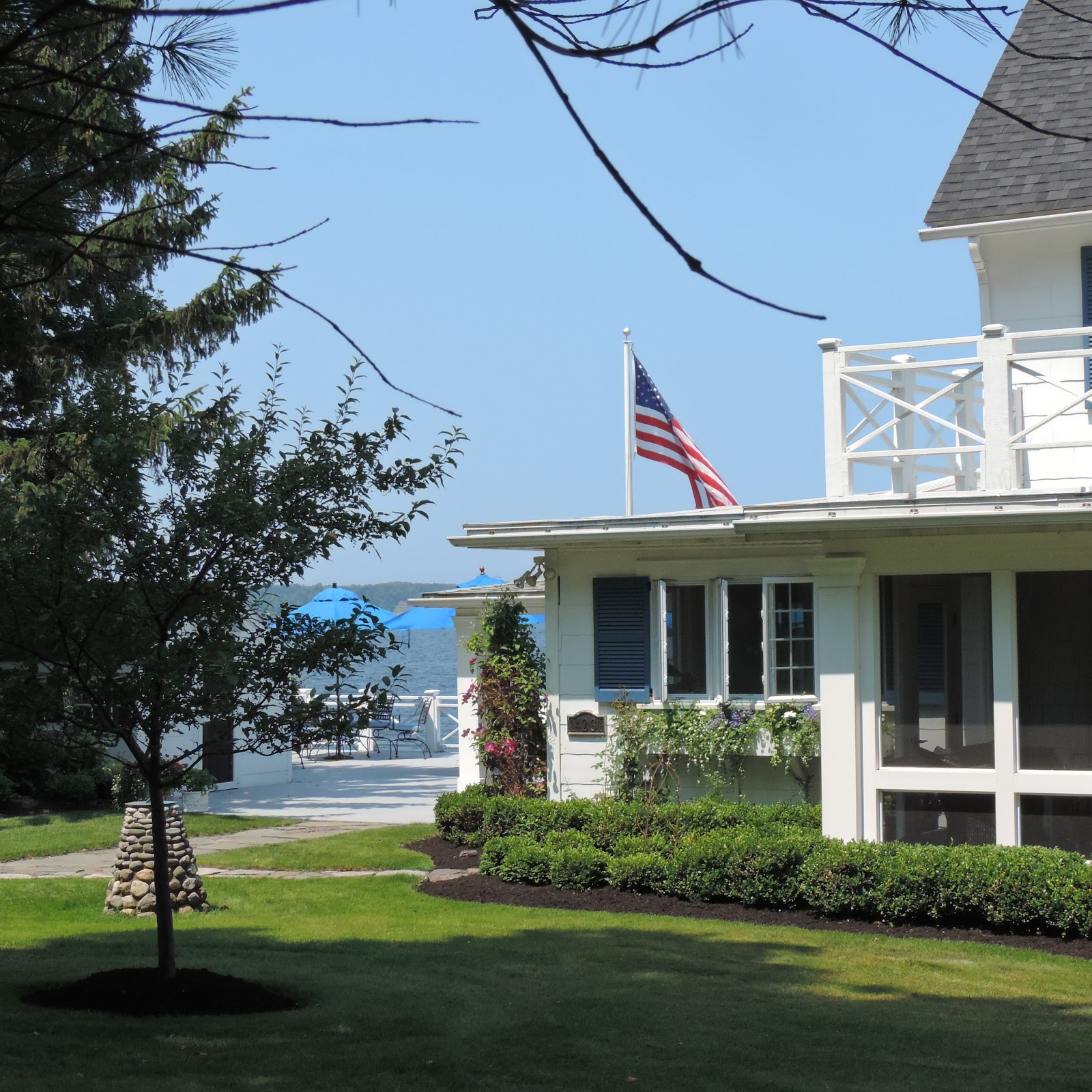
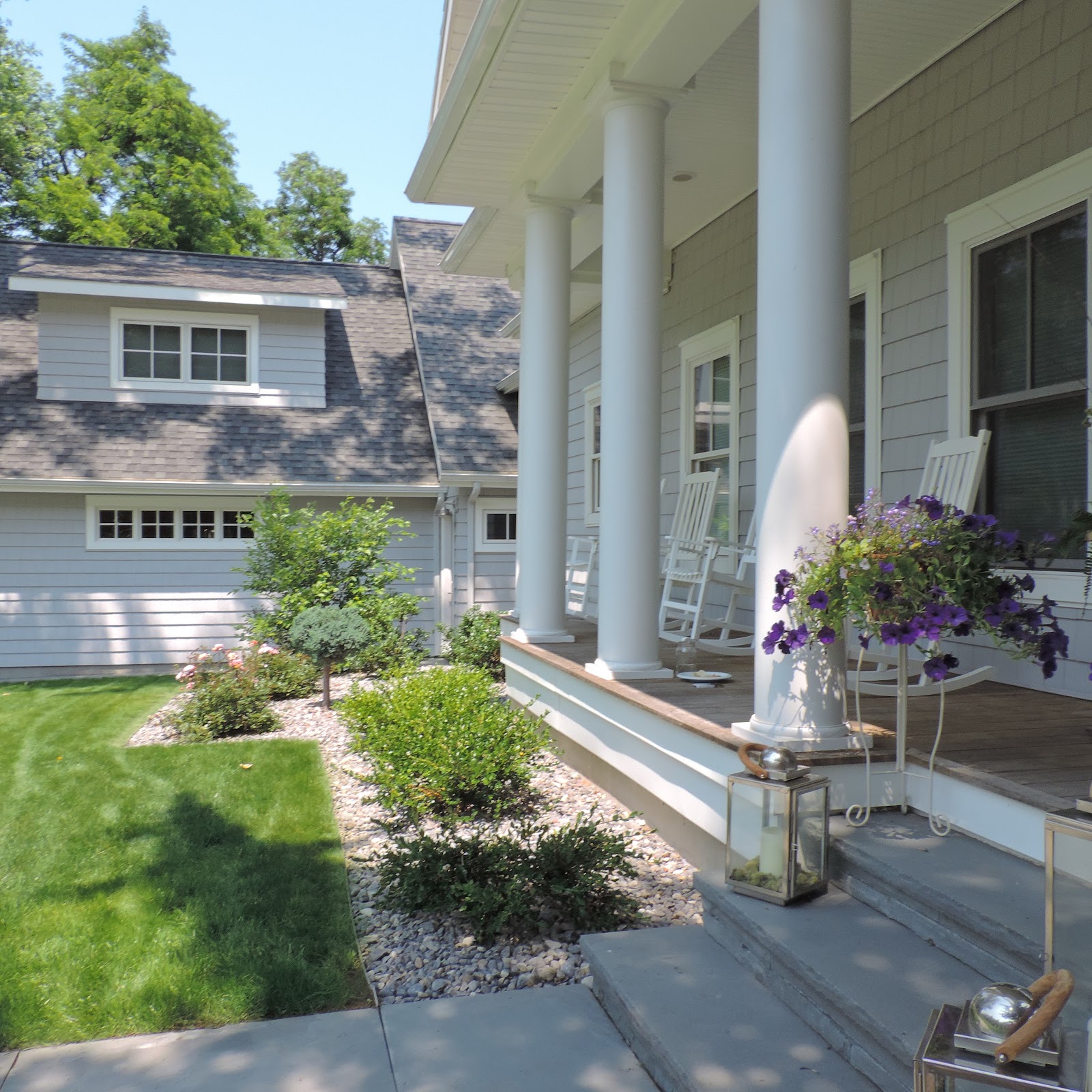
The Secret Garden
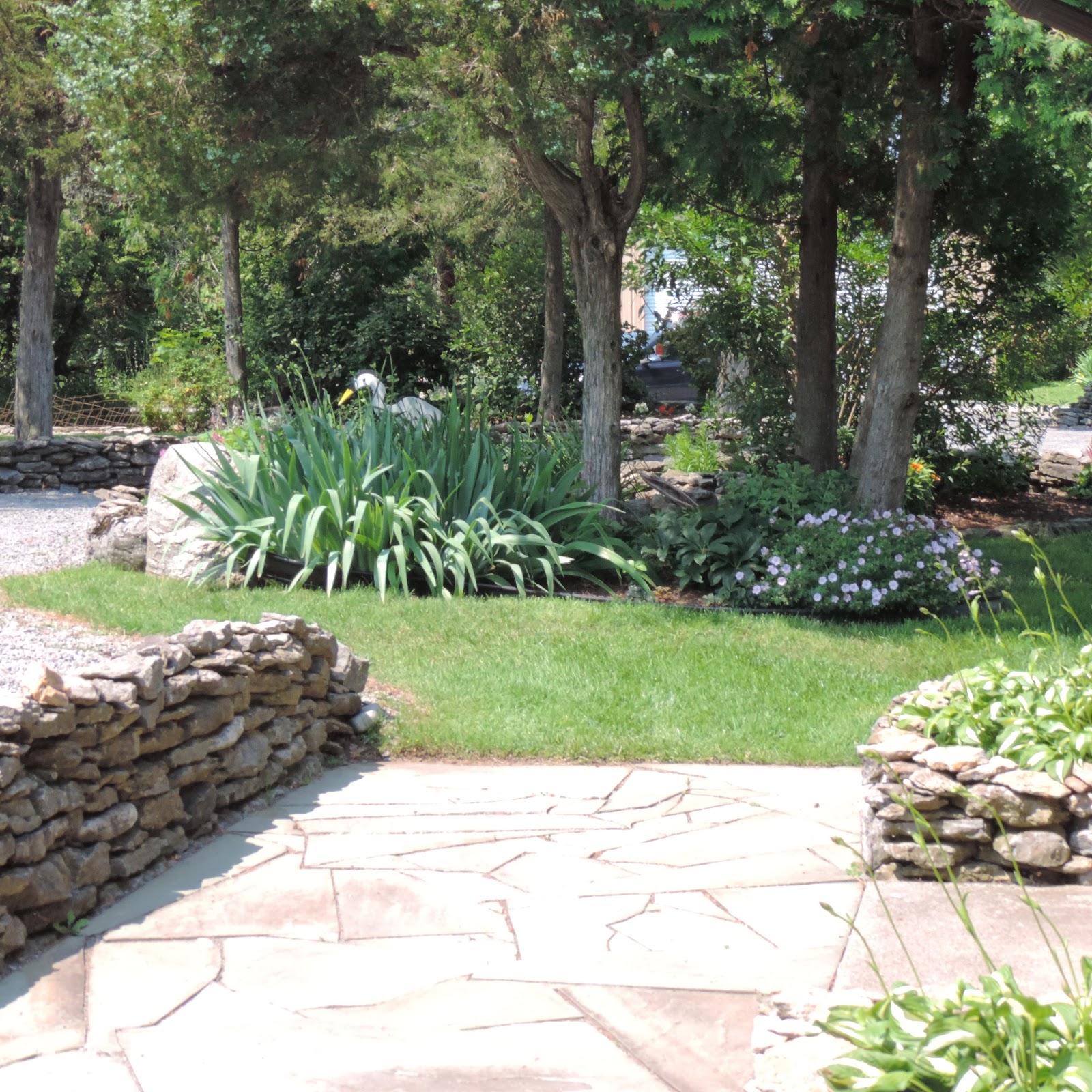
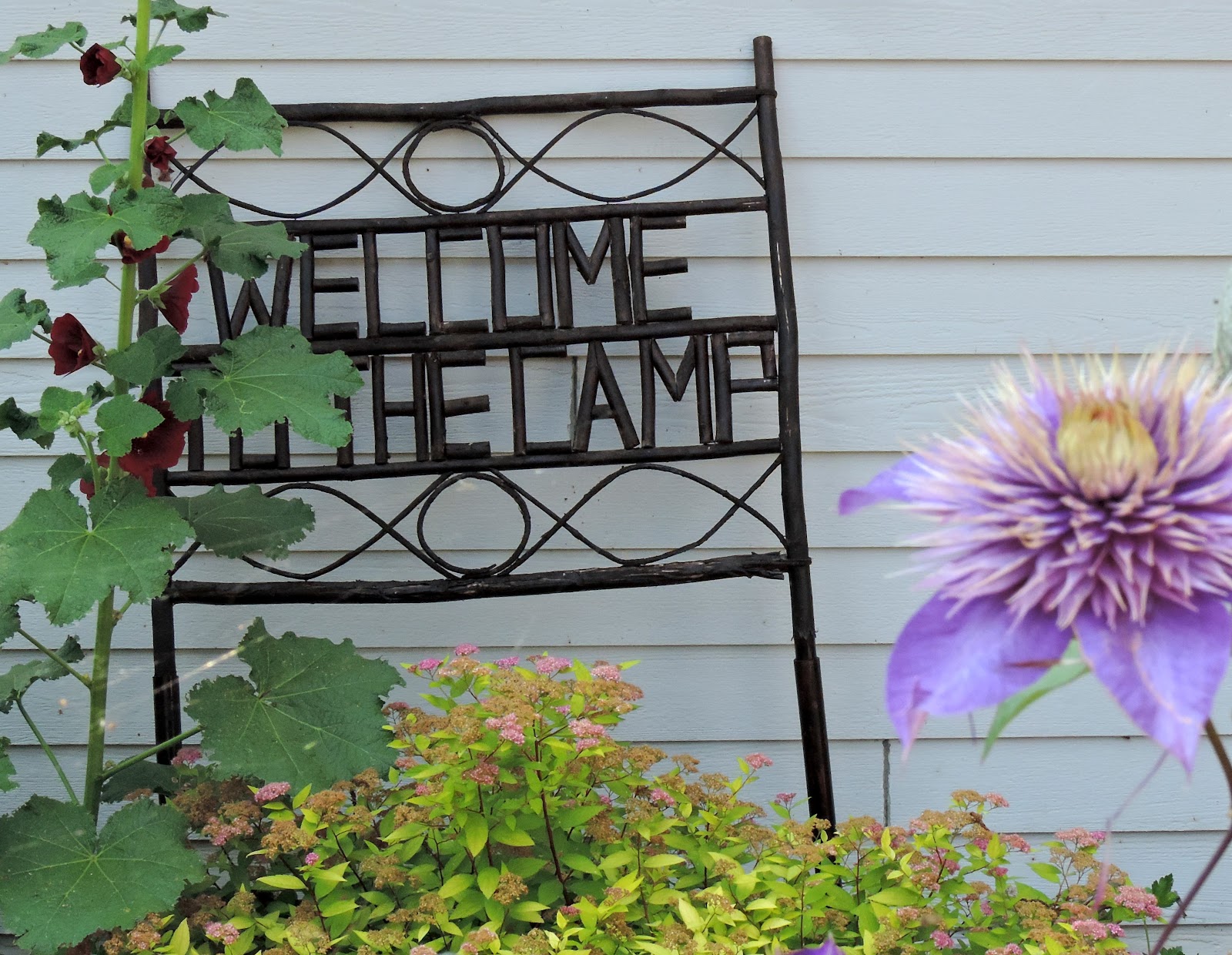
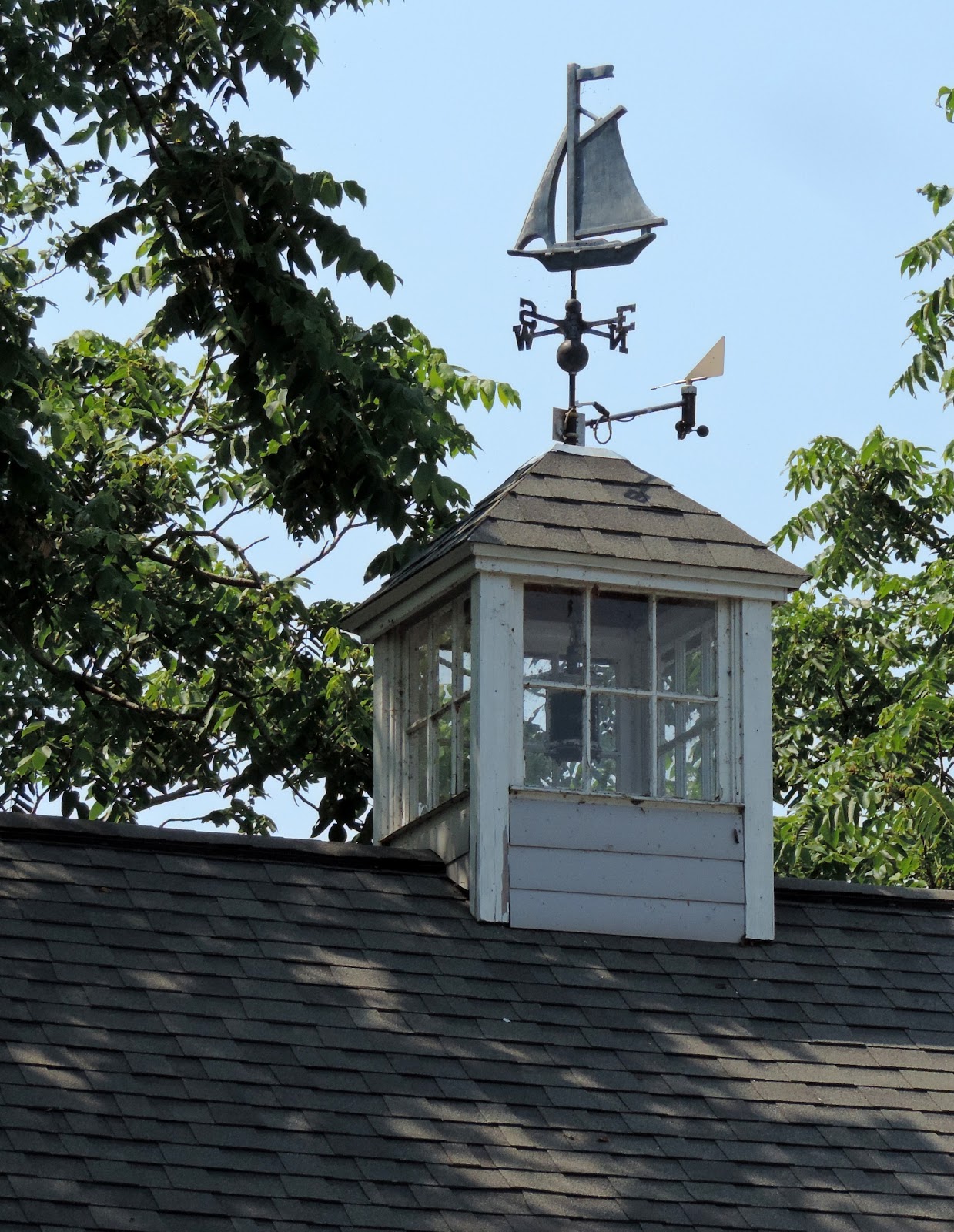
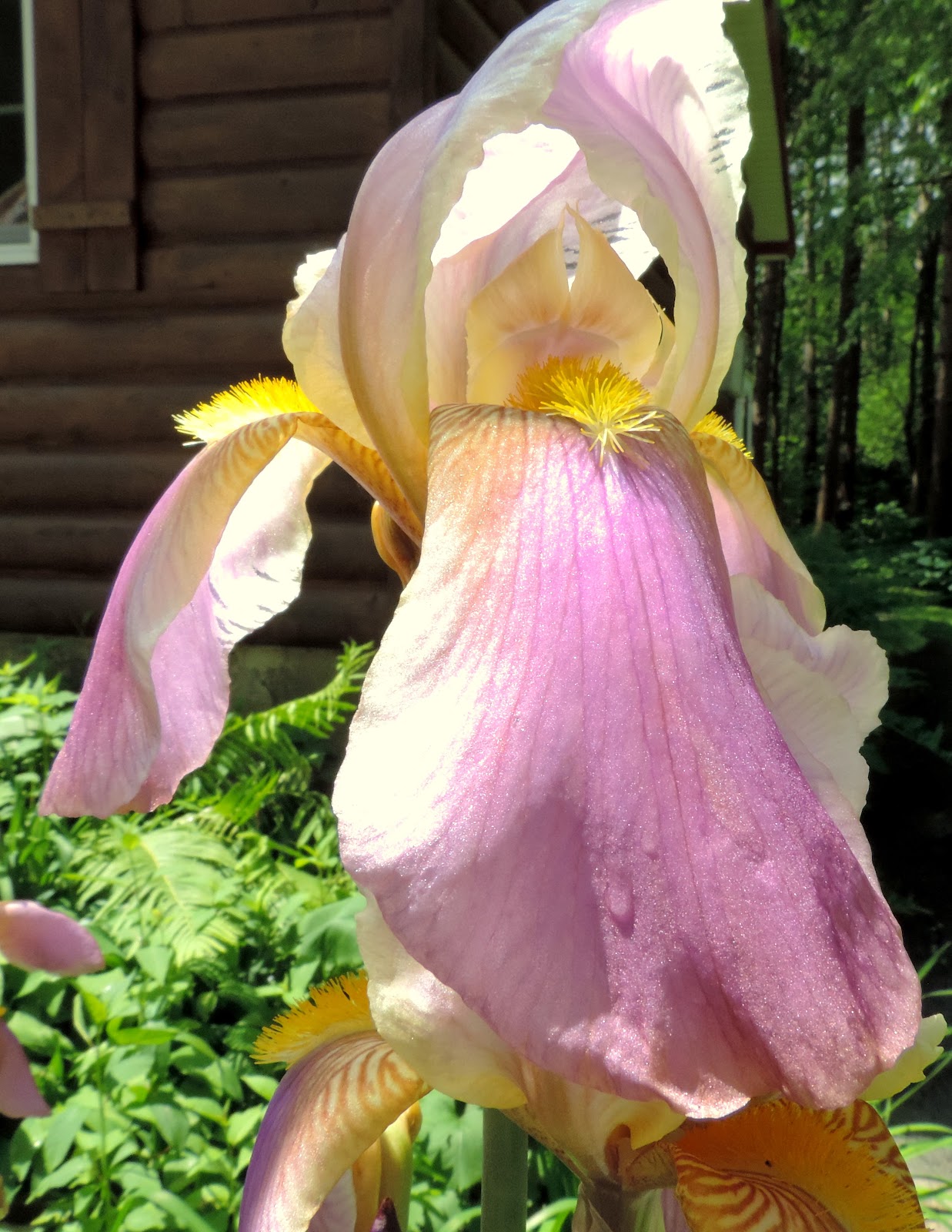
The above four photos were taken at Deb Newcomb's place. It was very welcoming and you could see the love and appreciation that go into maintaining these gardens.

While these gardens are very beautiful, it's not always easy gardening on these sites. They have very rocky soil, and in some areas there is not much topsoil covering the rocks. In some of these pictures you will see areas of rock edgings and walls and they most likely came from those individual properties.


Another major problem for these gardens are deer. The deer population in this area is unbelievable. I never would have thought that deer would thrive in these areas, but they do and they love it here. Most of the garden club members and owners of the properties that I talked with all said that deer were a problem in the gardens. So the challenge has been to try to have beautiful flowers with the least amount of deer damage. The deer love most any kind of flower buds.


We, personally, have tried many different deer repellents. Some work, but you have to keep at it more often that what's recommended on the labels. We've tried some of the home remedies that you mix yourself with household ingredients, and that might deter them for awhile, but if they get hungry enough you can count on them coming back. We have used the concentrated form of Liquid Fence, and one of my neighbors uses Bobbex. And they both work.


This was a new house in Henderson Harbor which featured new landscaping. 
One of the new raised beds at this home.


Another one of the homes we visited had beautiful decks and a great entrance porch. I loved how it was decorated with the birdhouses in the photo above and the cozy seating area in the picture below.


The two photos below show the large perennial garden at the entrance to this home. I'm sure the rocks that border the garden are from the ground when the property was excavated for the home.


The home in the photo below also includes rock borders and ledges and the owner explained that most the the rock came from their property as well.


This is their view of Lake Ontario.


Another place on the tour featured a lovely place with beautiful views and perennials. It appeared to be a very welcoming and comfortable home.


Another home on the tour featured a home with two beautiful pond areas.


The house and gardens featured in the photos below were the last place we visited on the tour, and it is also the place of friends of ours, Mark and Linda Adams. They have created several themed gardens on various areas of their property. The areas include a sunny garden, a Victorian Garden, a Knot Garden, and a few others as well. There is an extensive amount of shade on the property and they have done a great job of planting shrubs and perennials are that are conducive to that environment.


This building is the back of the Playhouse. 


One of the seating areas in a shady garden.

The Garden Shed

A path leading through the shade garden.


One of their two Fairy Gardens.

I'd like to thank all of the homeowners for opening up their gardens for us to enjoy their beautiful landscapes and views: Dana Keefer, Nancy Denny, Pam Brandt, Linda & Mark Adams, Barb Davidson, Deb Newcomb, Holly Creek, and Jean Kenna. And thanks to the Henderson Garden Club for hosting our visit.

Hope you enjoyed your armchair tour ~


Feel free to comment. 
I would love to hear from you!

Friday, July 10, 2015

Early Summer Bloomers

Jewel Crown Siberian Iris
I guess I've been procrastinating again here. . . I've had some photos uploaded and ready to add to my blog post, but then I never finished writing my blog post. I started it last week, but now I have a change of thought and my writing is going in a different direction.

Anyway, unrelated to gardening, I don't like it when computer applications run fine and then the company decides to modify the program and change everything around so things that used to work fine are now left to your imagination to find out what they changed and how to use it to do what you want it to do (all without instructions or even a notice that the programs have been changed). That's what I found out using the Blogger Program (from Google) that I use to write this blog. I used to be able to upload photos to Google and then post them directly to this page, but now I have to upload the photos, then put them in an album first before I can add them to this page. Then I have to go back into Google and search for the album I created. I'm sure I'll forget all this for the next blog post I write so at least I'll have this page to refer back to for instructions. hahaha.
Peony

There was a lot of rain damage around the Syracuse area the last few weeks because of the intense amount of rain. Some areas had over 3 inches. Of course we can't complain because at least we're not in a drought like most areas in California, and we haven't had the damaging amount of rain like areas in the mid-west and Texas. And no tornadoes. Just rain. The golf courses look wonderful around here. I even played golf today! 9 holes! I didn't bother to keep score, but I did par the last hole (after taking a Mulligan). And, I actually got the ball over a pond on the first shot which has been me some problems in the past.

Tall Bearded Iris (unknown name)


Thought I would let everyone know that the golf course meadows were loaded with blooming milk weed. It smelled so great! I was hoping to see a lot of butterflies around, but I didn't notice a one the entire time I was there. I also heard a loon in one of the ponds, but my husband didn't hear it, and he thought I must have been hearing things. When I first heard it I thought it was I pileated woodpecker, but then I realized it was a loon and not a woodpecker.


It's been a great beginning to our summer. The rain is keeping everything green and the flowers are doing great. I'm not experiencing any problems because of the rain, but I'm sure a lot of people have had their fill of all the precipitation.

It also has been a toll on some vegetable gardens.  The seedlings and seeds have rotted and have been washed out. A lot of the corn fields around the countryside are doing poorly because of all the rain. It's washing away the nutrients in the soil, and it's stunting the corn. I think there will be a lot of farmers with monetary losses because of the weather.
Sweet William


Siberian Irises (Iris Sibirica). In the first photo on this page, is a picture of one of my Siberian Irises called Jewel Crown. Siberian Irises, in our area of Central/Northern New York, are late spring bloomers. They start to bloom when the tulips are finishing up. They will give you a few weeks of color, and they are easy plants to take care of.  They will spread out and form a dense clump. After a few years, they will need dividing when the center of the plant starts to die out. Then you can dig them up and divide the clump and transplant the new divisions.

Siberian Irises will grow in just about any soil. I've read conflicting information on this plant where one article recommends well-drained soil and another article recommends wet conditions as long as it's not in a pond. You can plant them in full sun or partially shady areas. They have upright, narrow leaves, and will stay green all season after the flowers have died. Fertilize in spring and after they bloom with a high nitrogen content fertilizer. They are rarely bothered by rot or borers like the bearded irises are. The Siberian Irises are available in several colors such as blue, violet, pink, yellow, and white. Depending on the variety they can grow from 2' to 4'.
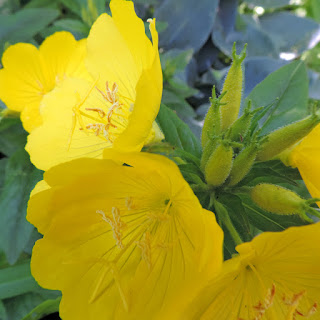
Sundrops
They will grow in US Hardiness zones 3-9.

Here is a link to the hardiness zones: US Plant Hardiness Zones


Here is a little story for you that you might enjoy. A friend of mine has several irises varieties and other perennials. I was admiring her extremely tall Siberian Irises and she offered to dig one up for me. She asked me which one (color) I wanted because there were several varieties in this one section of her garden near the road which was in a ditch. She used that area because they would get a continuous supply of rain water and would make a nice welcoming for visitors. I picked out a tall one and she dug it up for me. They had already bloomed so I would have to wait a year or so before I could enjoy the blooms on this one. I went home and planted it, and watered it well. It came up the following year, but no blooms. I had to wait another year. The next year rolls around and still no blooms. Well, it did bloom the following year, but it wasn't a Siberian Iris. It was a cattail! I waited and nurtured that plant for three years or so only to find out it was a cattail. So that's your laugh for the day!
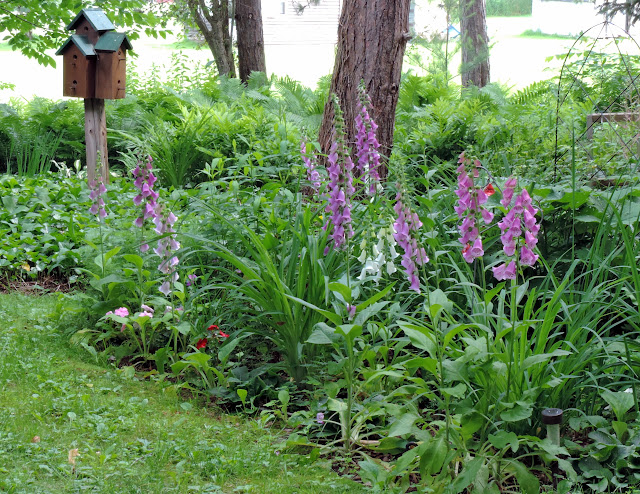

Foxgloves 
In the photo above, the foxgloves are filling in voids in this little perennial garden. After the seeds die on the stem (they will die back and dry up), I like to shake the seeds around in various areas of my garden. If you do that you will be amazed at the various places they will grow.

I have had several people ask me why their foxgloves have disappeared. If the foxglove you planted last year didn't come up this year it's because they are a biennial and probably died off unless you let it go to seed and either saved the seed or let the seeds fall to the ground. A biennial means the flower comes up the first year and doesn't flower. The second year it comes up, flowers, produces seeds and dies off (most of the time the entire plant will completely die). If you purchased a flowering foxglove, it's in its second year and will most likely die after it flowers. At this point, if you want to have foxgloves in your gardens the following years, you can't cut the stalks off after the flower dies. The flowers need to die on the stem and the stems and seeds need to dry on the stalk to be effective seed bearers. So DON'T CUT YOUR  FOXGLOVES BACK IF YOU WANT FLOWERS IN FUTURE YEARS. But you also must remember, that when your seeds come up that following year, they will not produce flowers until the second year. It's probably a good idea to mark where your foxgloves are planted because when they come up in the spring they look like weeds. Actually several perennials look like weeds when they come up. Now to confuse you even further, there are new hybrid foxgloves on the market that are sterile (will not produce seeds), but it will perform like a regular perennial and you will be able to divide it up by divisions. I've been following some articles on these hybrids to see how they do in following years. One of the hybrids is called "Illumination Pink" and a very striking tropical color of pink and yellow.


Goatsbeard


Feathered Friends
Goldfinch on sock thistle feeder

The birds pictured here are some of our current visitors.

House Wren 
Anerican Goldfinches can hang upside down to find food. You can purchase upside-down feeders for them. I've used them in the past and they work out great as long as you can keep raccoons away from knocking down the feeders and breaking them. Side note: now we take our feeders down in the evening and store them in our shed overnight.

Goldfinches like sunflower seeds and nyger seeds. (The sunflower seeds won't work in the sock feeder.)


Immature female cardinal
The cardinals have been bringing their babies to our birdfeeders. I love hearing the little chirping sounds of the babies when they are around the feeders. You can identify an immature cardinal by their dusky/dark beak. Adult cardinals (male or female) have bright orange beaks.


Male Rose-breasted Grosbeak


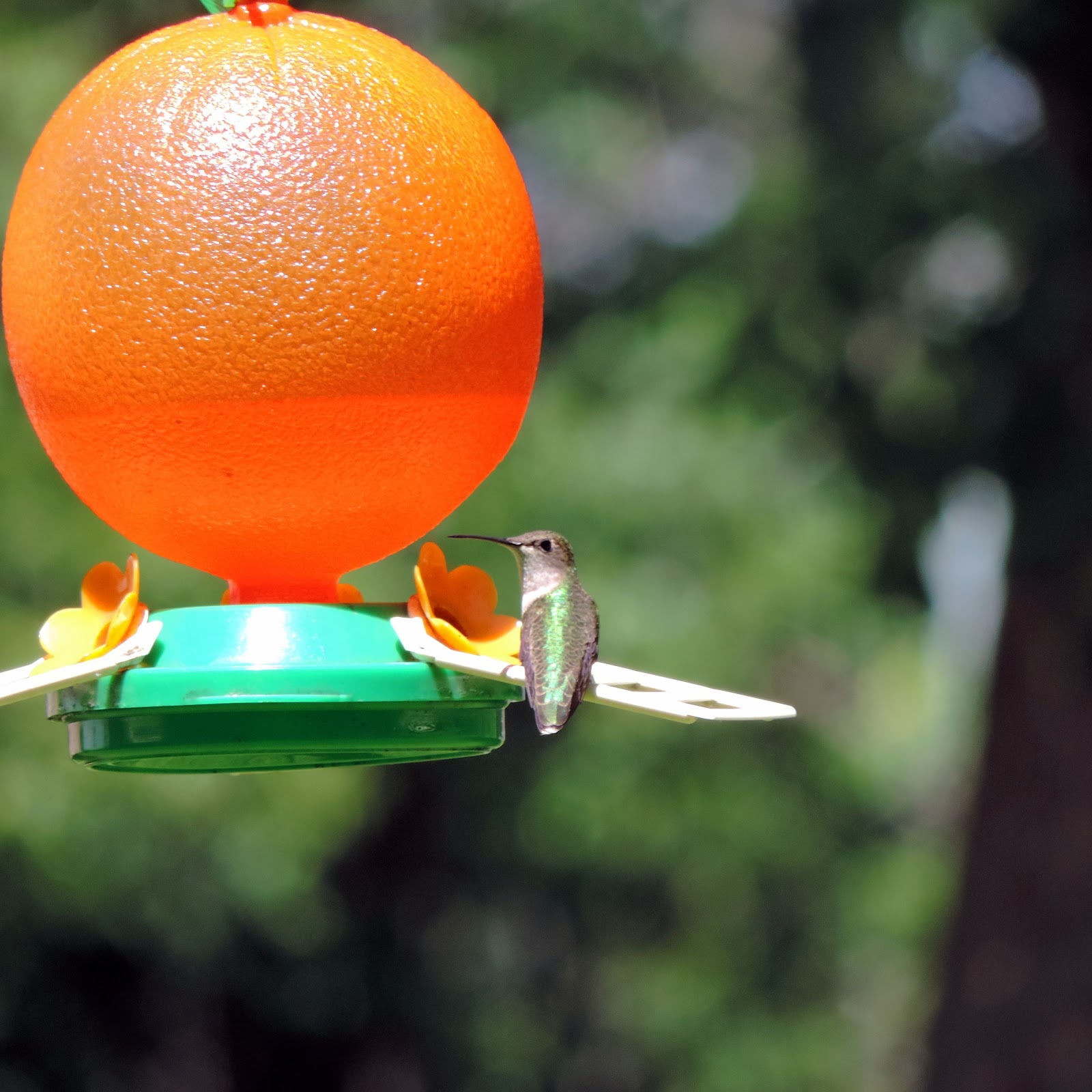
Female Ruby-throated Hummingbird on Oriole Feeder


"I must have flowers, always, and always."
~Claude Monet


Thanks for stopping by~
Feel free to leave a comment and/or ask a question. If you don't have a Google account you can use the "Anonymous" selection in the drop-down box to write a comment. 

Friday, June 19, 2015

Ted & Sue's Irish Adventures!

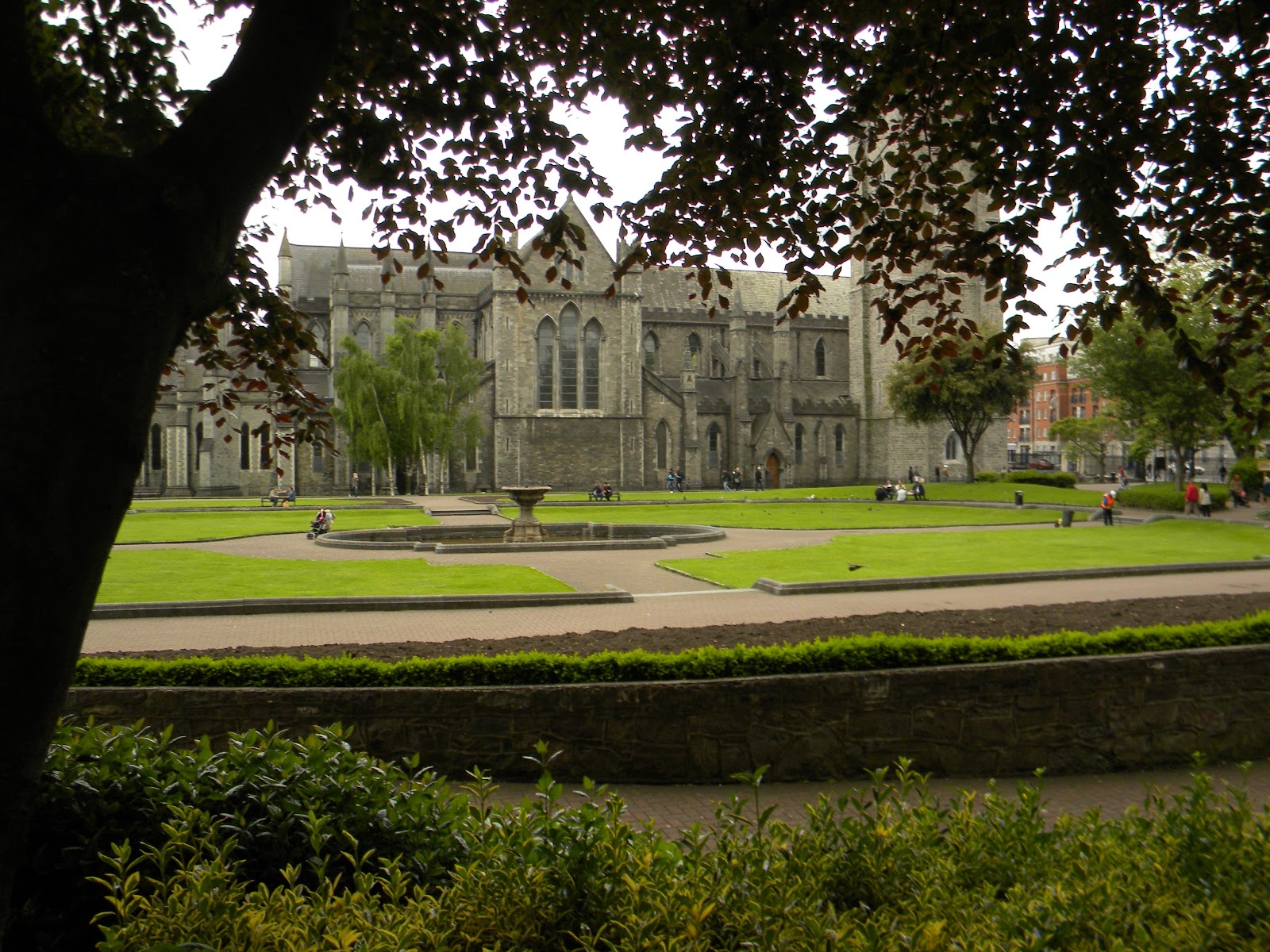
St. Patrick's Cathedral, Dublin, Ireland
After several years of wanting to plan a trip to Europe and trying to convince my husband that he would "like" it, we decided on a tour of Ireland. First we were thinking of maybe combining a tour of England, Whales, and Ireland, but then I thought - let's just do Ireland and tour the whole country.


We were trying to decide on whether or not to rent a car and do our own exploring, or take a bus tour. I've had some friends that did the bus tours and they spoke highly of it, and we thought that we would give it a try, too. So back in February we visited our travel agent and they gave us some information on CIE Tours.

Trinity College, Dublin


There were several tours to choose from. We decided on the seven days, eight nights "Adventure Tour" around Ireland. This is considered an escorted tour. We booked an extra day at the start of the tour for resting up from the travel and time difference of five hours. That worked out perfect, too, because we ended up taking naps that day.


Trinity College, Dublin


While I'm not getting paid to do an advertising promotion for CIE Tours, I highly recommend them. Everything was so well organized and on time. The hotels were excellent, service was excellent, and the sites we visited were amazing. The tour also included two meals a day (but that depends on which tour you book).


Our tour guide was extremely knowledgeable on history, culture, politics, sports, and his jokes and songs were very entertaining.


We met some very nice friends on the tour, too. There were 36 of us on the tour bus. Mostly from the United States, but some were from Australia and we enjoyed their company and learning about their culture and customs, too.

Long Library, Trinity College

Before we left the US, we checked Ireland's weather online. We ended up re-packing our luggage because we didn't have enough warm weather clothes packed. Their temperatures were in the 50's-60's. And as everyone advised us- to expect rain. So we packed raincoats and umbrellas, too. Luckily for us we only had a few light rain showers.


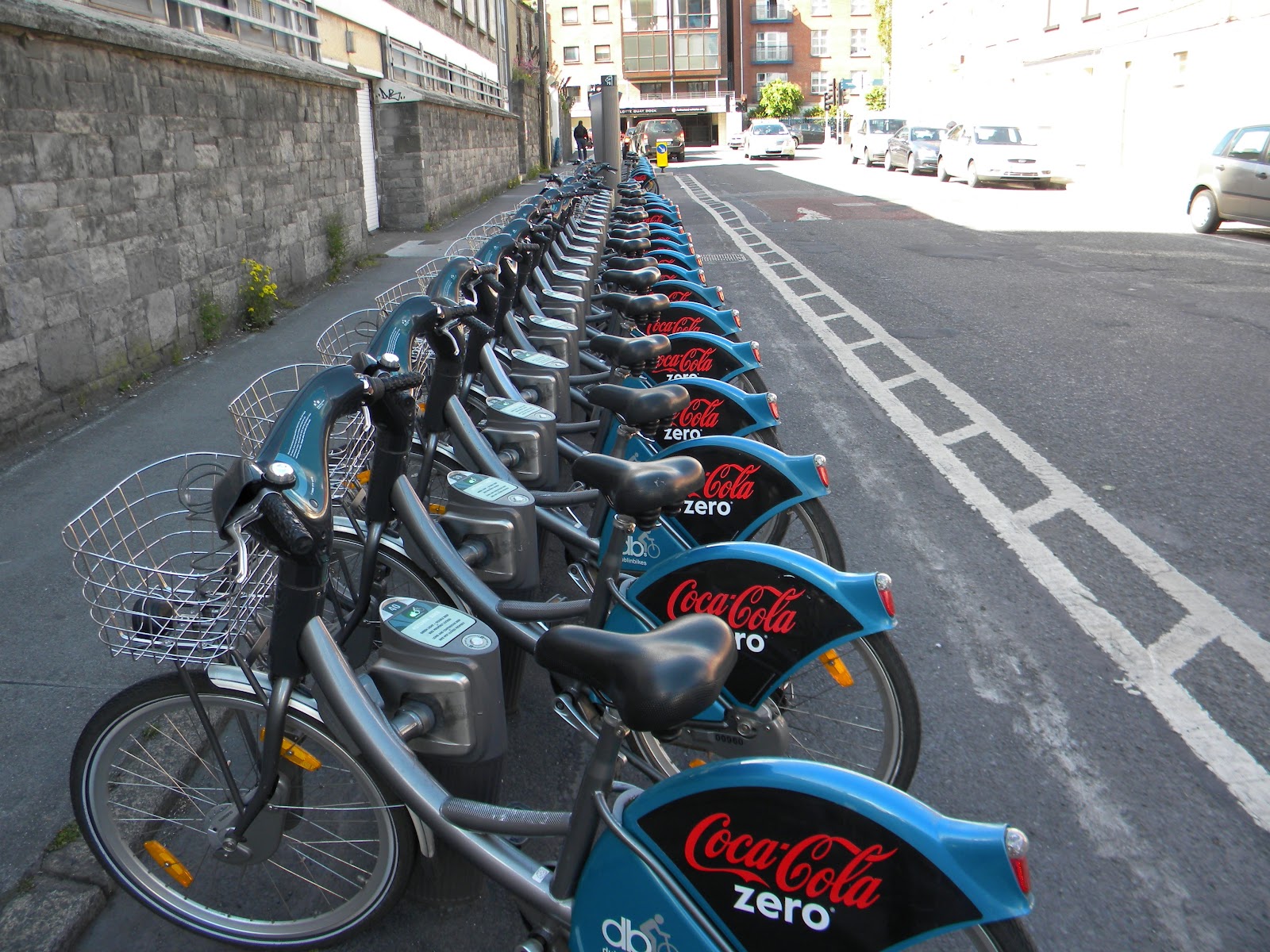
One of the ways to get around town- bike rentals!


I was really surprised at their climate. It never freezes because they are warmed by the ocean currents and the Gulf of Mexico. However, it also never gets really hot there either. Most places don't have air conditioning. And they really don't need it. In a few of the hotels we stayed at we had the heat on.


Their landscapes are very beautiful and most places have stone fences to mark their boundaries for either farming or grazing land for sheep. Sheep are very plentiful in Ireland. The landscapes are dotted with sheep in most places you visit. The stone fences are beautiful as well.


I expected to see a lot of exotic flowers when visiting a foreign Country, but that wasn't the case. Most flowers I noticed were ones that also grow here in Central/Northern New York, too. Those would be: lupines, columbines, clematis, foxgloves, pansies, petunias, and other varieties that grow well here. And those flowers were also blooming at the same time as our flowers. The rhododendrons grow wild there. They are all over the fields. I think it is because their soil is highly acid that they do so well there.

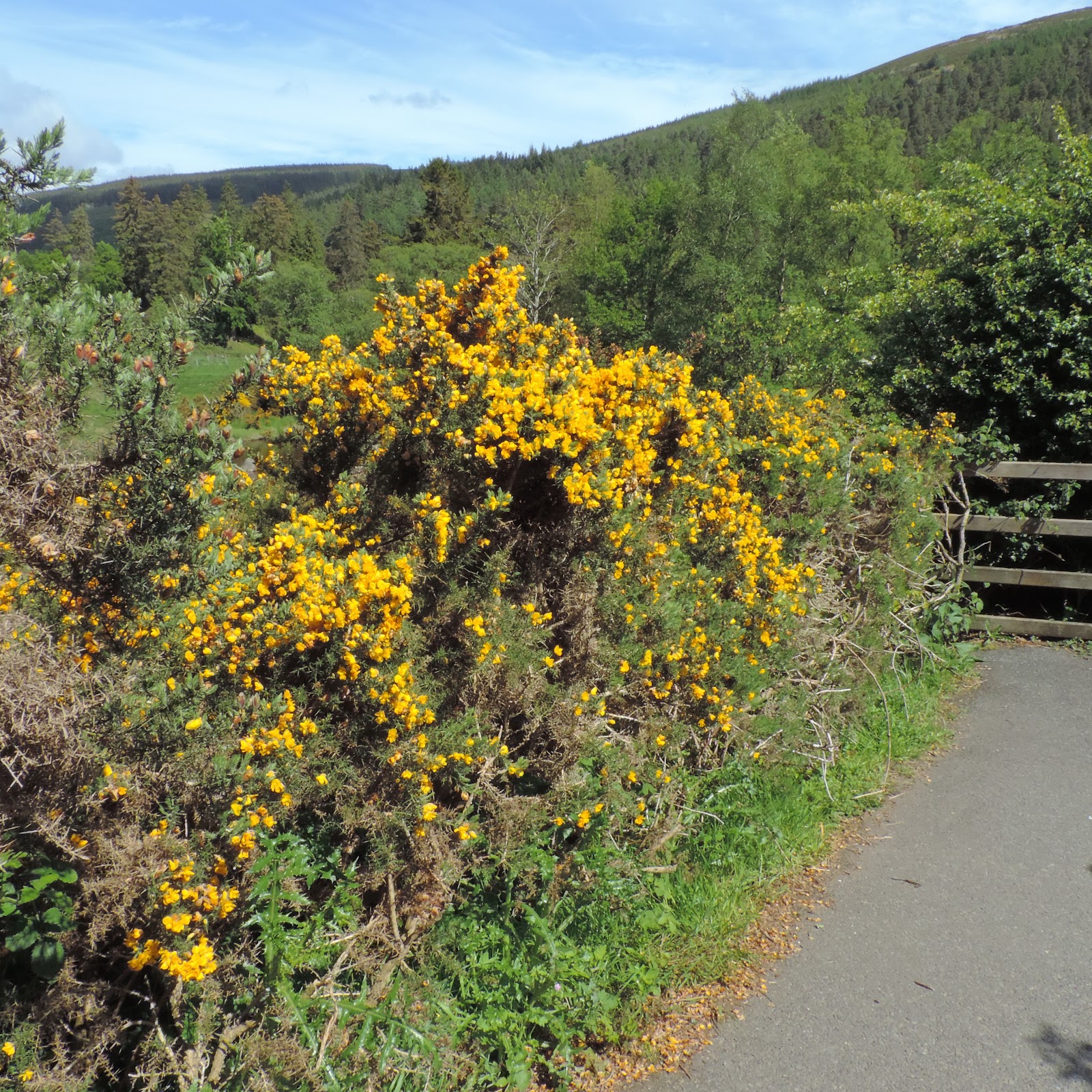
Gorse


Another flowering shrub that was blooming when we were there was Gorse. It's a beautiful dark yellow shrub with tons of flowers on it. They are sometimes used for hedgerows.

St. Kevin's 6th century monastery in  Glendalough


They can grow a few varieties of palm trees because they never get a deep freeze.


Some of the sites we visited on this tour were the Cliffs of Moher, sheepdog trials, Blarney Castle, walking tours of Waterford and Derry, Giant's Causeway, the Titanic Museum in Belfast, the Peace Wall, Ring of Kerry, short ferry ride across the Shannon River, Trinity College in Dublin, and several other enjoyable sites.


 I also loved the architecture. The homes were very colorful and cheerful. And the stone buildings and cathedrals were magnificent.
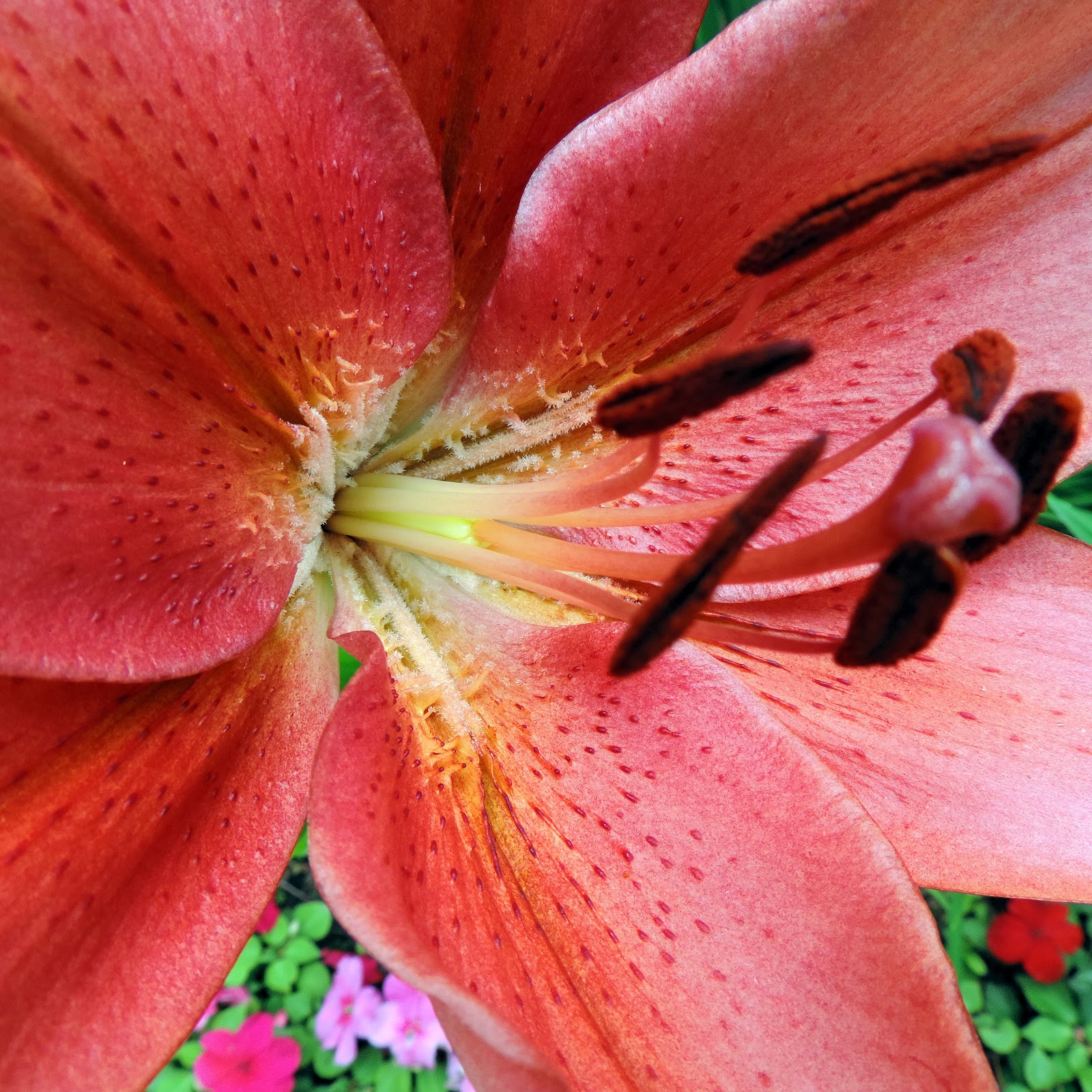


Walking tour of New Ross on the River Barrow


One of the many churches/cathedrals in Ireland. This one was in New Ross.

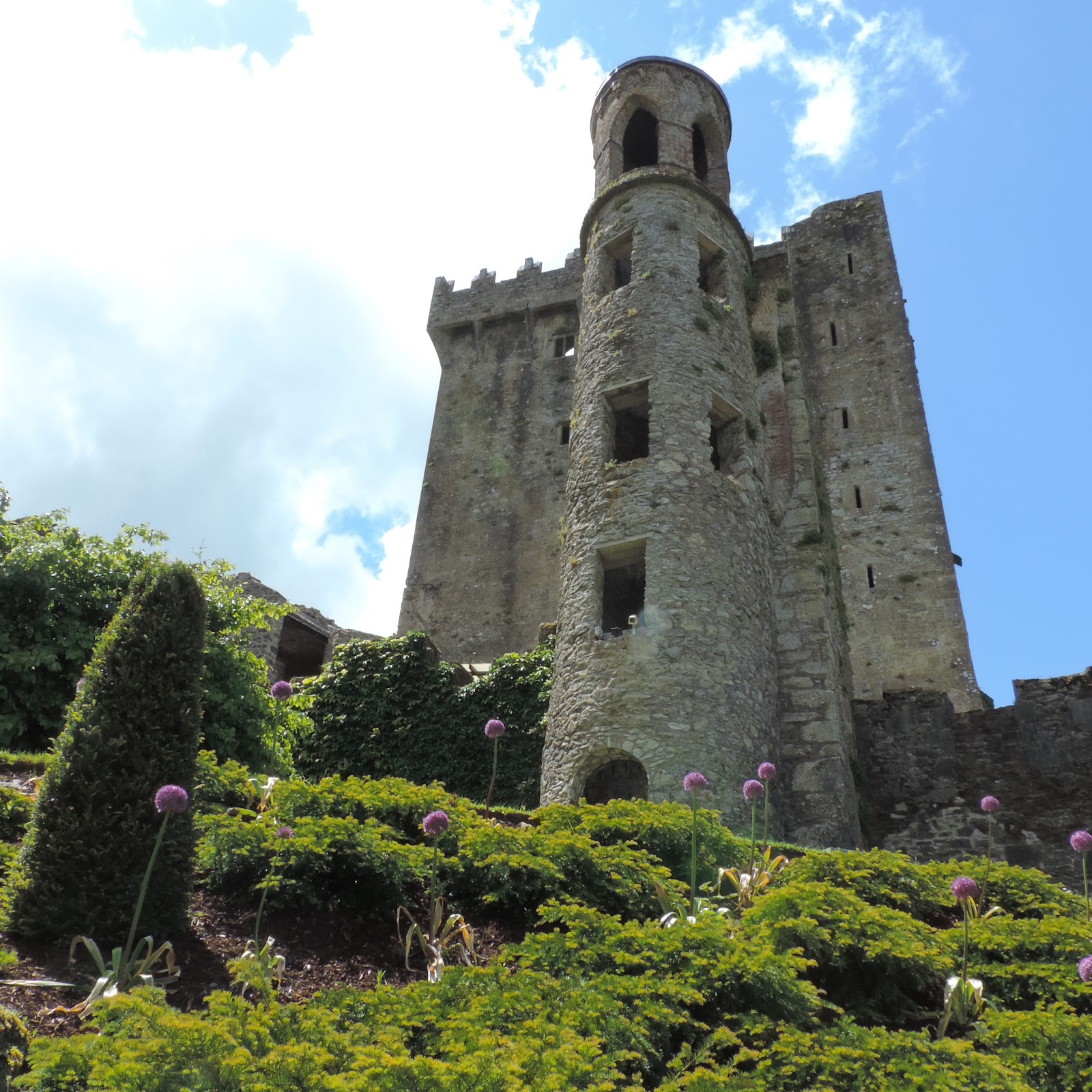
Blarney Castle


Photo taken by my husband from the top of Blarney Castle.
(Note: I did not walk up the 100+ steps to kiss the Blarney Stone, but Ted did.)

Tour of the gardens at Blarney Castle


Blarney House


Killarney, Ireland


Cliffs of Moher


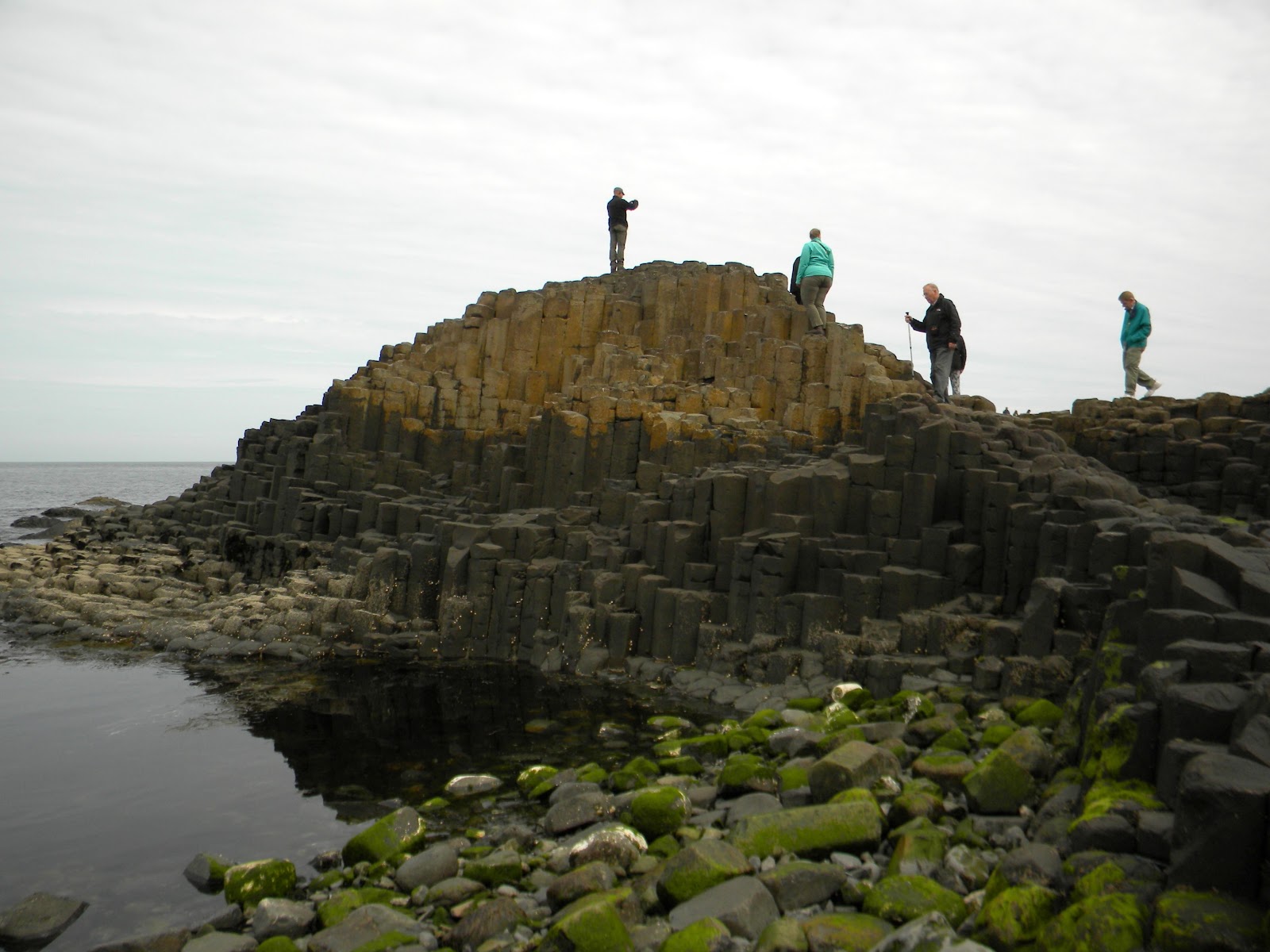
Giant's Causeway: huge hexagonal columns formed by volcanoes over 60 million years ago.


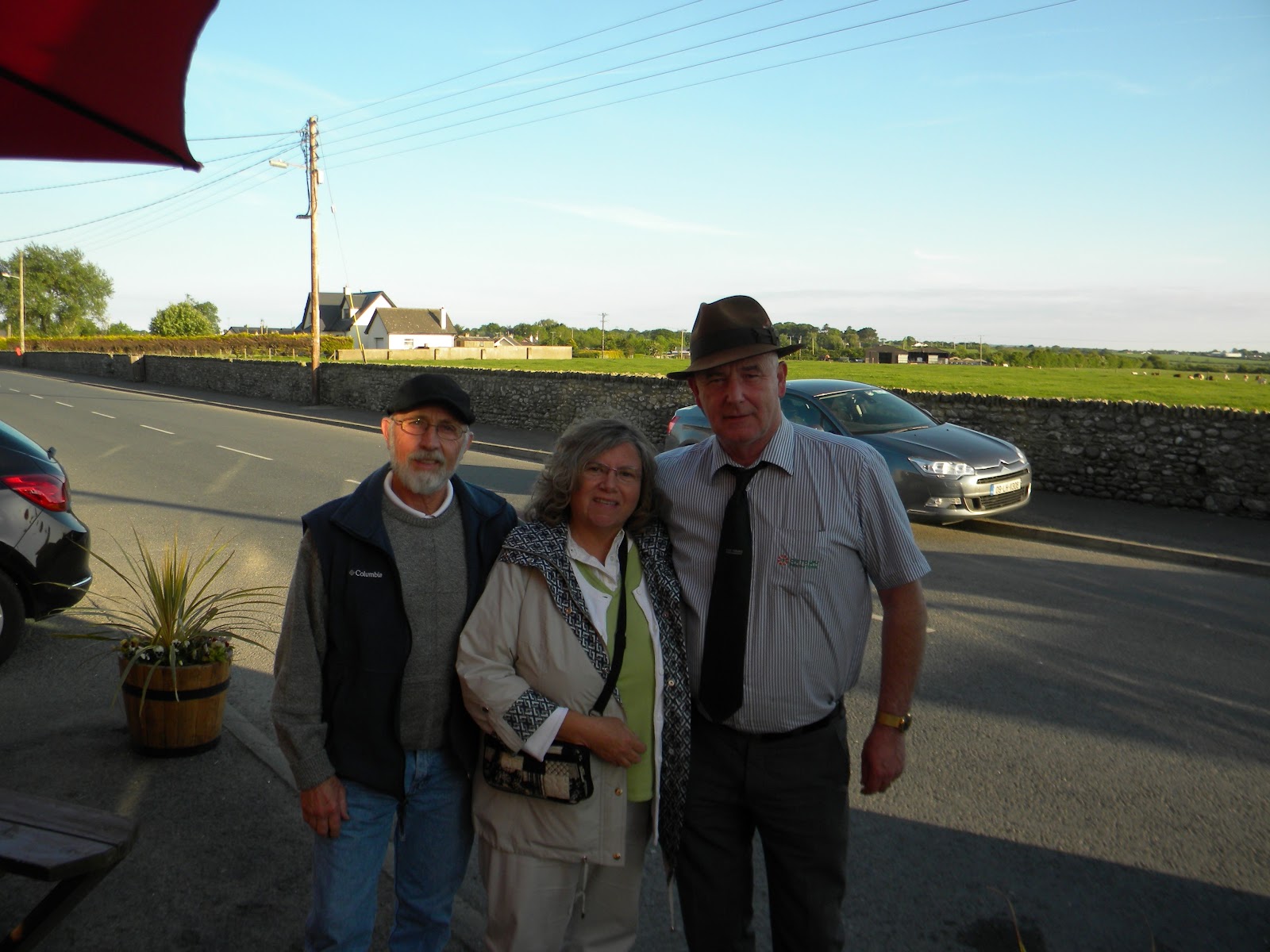
Ted, me, and our tour guide with CIE Tours, Brian Hanrahan.

Hope you enjoyed your armchair tour of Ireland with us! Have lots more photos of Ireland that I would love to share with you so at some point in the future I might write another blog post on Ireland.

P.S. by the way, Ted loved Ireland and he's planning our next European bus tour.


Thanks for visiting! 
Feel free to leave a comment!